


- Afhalen na 1 uur in een winkel met voorraad
- Gratis thuislevering in België vanaf € 30
- Ruim aanbod met 7 miljoen producten
- Afhalen na 1 uur in een winkel met voorraad
- Gratis thuislevering in België vanaf € 30
- Ruim aanbod met 7 miljoen producten





€ 127,20
+ 254 punten
Omschrijving
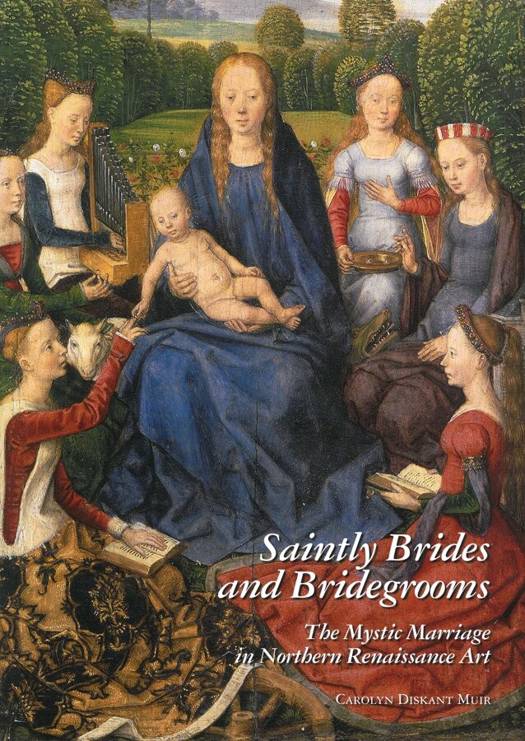
Building upon recent scholarly interest in mystics and mysticism in late medieval Europe, this book explores the visual representation of female and male saints depicted as brides or bridegrooms of Christ in northern European art from 1300 to 1550. The mystic marriage imagery of St. Catherine of Alexandria, St. Agnes of Rome, St. John the Evangelist, St. Bernard of Clairvaux, and the Blessed Henry Suso is studied through an analysis of a wide range of paintings, illuminated manuscripts, prints, and sculpture. From these case studies, Muir argues that different visual conventions were used in the art of this period to portray the male and female experiences of mystic marriage and suggests possible reasons for these differences. She further considers why comparatively few mystics were visually portrayed in a mystic marriage with Christ, despite the large number recorded as having had that experience. Providing insights into the meanings of the mystical experience when portrayed in visual terms, this book will appeal to art historians as well as to other medievalists with an interest in the intersections of art, religion, and gender.
Specificaties
Betrokkenen
- Auteur(s):
- Uitgeverij:
Inhoud
- Aantal bladzijden:
- 208
- Taal:
- Engels
- Reeks:
- Reeksnummer:
- nr. 70
Eigenschappen
- Productcode (EAN):
- 9781905375875
- Verschijningsdatum:
- 17/01/2013
- Uitvoering:
- Hardcover
- Formaat:
- Genaaid
- Afmetingen:
- 221 mm x 302 mm
- Gewicht:
- 1338 g


Alleen bij Standaard Boekhandel
+ 254 punten op je klantenkaart van Standaard Boekhandel
Cadeau

AANGERADEN


Beoordelingen
We publiceren alleen reviews die voldoen aan de voorwaarden voor reviews. Bekijk onze voorwaarden voor reviews.