


- Afhalen na 1 uur in een winkel met voorraad
- Gratis thuislevering in België vanaf € 30
- Ruim aanbod met 7 miljoen producten
- Afhalen na 1 uur in een winkel met voorraad
- Gratis thuislevering in België vanaf € 30
- Ruim aanbod met 7 miljoen producten





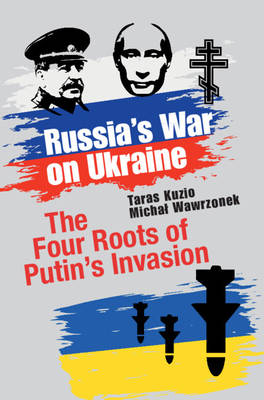
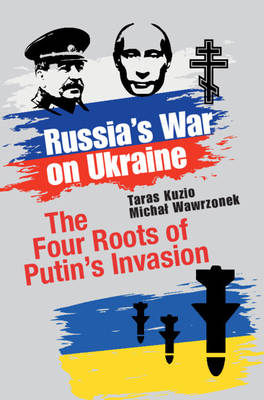
Russia's War on Ukraine
The Four Roots of Putin's Invasion
Taras Kuzio, Michal Wawrzonek
Paperback | Engels
€ 47,95
+ 95 punten
Uitvoering
Omschrijving
Understanding why Russia invaded Ukraine in 2014 and 2022 is vital for preparing for what may come next. This groundbreaking book is the first to provide an interdisciplinary study of the first full-scale war in Europe since 1945, which is having global ramifications on interstate relations, international law, international organisations, energy questions and economies. Written by two leading scholars of Ukrainian and Russian politics and history, and based on extensive field work and primary sources, the book moves beyond established Western ideas about Russia to show that Russian military aggression against Ukraine is domestically, not externally, driven. The authors analyse the statements and policies of the Russian leadership under Putin, Russia's post-communist political culture and Russia's understanding of itself as a civilisation without borders. Imperial nationalism, nostalgia, Russia's divergent identity and political system to Ukraine's, and Kremlin anti-Western xenophobia are the key elements underlying Russian aggression.
Specificaties
Betrokkenen
- Auteur(s):
- Uitgeverij:
Inhoud
- Aantal bladzijden:
- 404
- Taal:
- Engels
Eigenschappen
- Productcode (EAN):
- 9781009645539
- Verschijningsdatum:
- 4/12/2025
- Uitvoering:
- Paperback
- Formaat:
- Trade paperback (VS)
- Afmetingen:
- 152 mm x 229 mm
- Gewicht:
- 539 g


Alleen bij Standaard Boekhandel
+ 95 punten op je klantenkaart van Standaard Boekhandel
Cadeau

AANGERADEN


Beoordelingen
We publiceren alleen reviews die voldoen aan de voorwaarden voor reviews. Bekijk onze voorwaarden voor reviews.