



Je cadeautjes zeker op tijd in huis hebben voor de feestdagen? Kom langs in onze winkels en vind het perfecte geschenk!
- Afhalen na 1 uur in een winkel met voorraad
- Gratis thuislevering in België vanaf € 30
- Ruim aanbod met 7 miljoen producten
Je cadeautjes zeker op tijd in huis hebben voor de feestdagen? Kom langs in onze winkels en vind het perfecte geschenk!
- Afhalen na 1 uur in een winkel met voorraad
- Gratis thuislevering in België vanaf € 30
- Ruim aanbod met 7 miljoen producten





€ 103,45
+ 206 punten
Uitvoering
Omschrijving
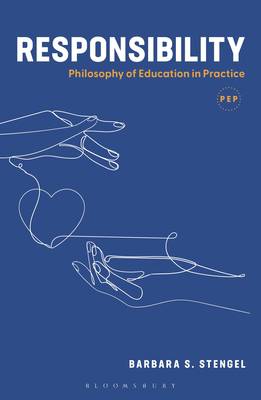
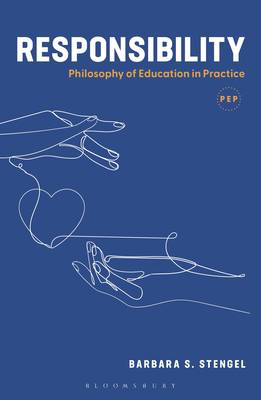
Students, parents, teachers, leaders, and policy-makers generate and take responsibility for their efforts, often without understanding the nature of the responsibility they hold. Barbara S. Stengel argues that every educational interaction is a call to and opportunity for responsibility for all involved. In short, responsibility represents the goal for students, the guiding vision for educators' practice, and a useful design principal for leaders and policy makers.
Using a critical pragmatist framing of the concept of responsibility, Stengel shows how greater attention to responsibility allows for a deeper understanding of diversity and equity as well as individual and common goods. It enables a deeper understanding of the moral dimensions of teaching and learning prospectively in growth rather than retrospectively in blame. The philosophical discussion of responsibility is coupled with discussion of the lived experiences of students, teachers, aides, and administrators and draws evidence from a case study of a middle school turnaround in Nashville, USA. The Bailey Middle School community developed a reading of responsibility that matched educators' intuitions and experiences of their work, while enhancing students' understanding of their place in the world. The book represents a call for educators to be, and become, responsible for their and their students' lives-in-common and the individual well-being of all in the community.
Using a critical pragmatist framing of the concept of responsibility, Stengel shows how greater attention to responsibility allows for a deeper understanding of diversity and equity as well as individual and common goods. It enables a deeper understanding of the moral dimensions of teaching and learning prospectively in growth rather than retrospectively in blame. The philosophical discussion of responsibility is coupled with discussion of the lived experiences of students, teachers, aides, and administrators and draws evidence from a case study of a middle school turnaround in Nashville, USA. The Bailey Middle School community developed a reading of responsibility that matched educators' intuitions and experiences of their work, while enhancing students' understanding of their place in the world. The book represents a call for educators to be, and become, responsible for their and their students' lives-in-common and the individual well-being of all in the community.
Specificaties
Betrokkenen
- Auteur(s):
- Uitgeverij:
Inhoud
- Aantal bladzijden:
- 144
- Taal:
- Engels
- Reeks:
Eigenschappen
- Productcode (EAN):
- 9781350302600
- Verschijningsdatum:
- 14/12/2023
- Uitvoering:
- Hardcover
- Formaat:
- Genaaid
- Afmetingen:
- 127 mm x 203 mm
- Gewicht:
- 267 g


Alleen bij Standaard Boekhandel
+ 206 punten op je klantenkaart van Standaard Boekhandel
CADEAU


Beoordelingen
We publiceren alleen reviews die voldoen aan de voorwaarden voor reviews. Bekijk onze voorwaarden voor reviews.