


- Afhalen na 1 uur in een winkel met voorraad
- Gratis thuislevering in België vanaf € 30
- Ruim aanbod met 7 miljoen producten
- Afhalen na 1 uur in een winkel met voorraad
- Gratis thuislevering in België vanaf € 30
- Ruim aanbod met 7 miljoen producten





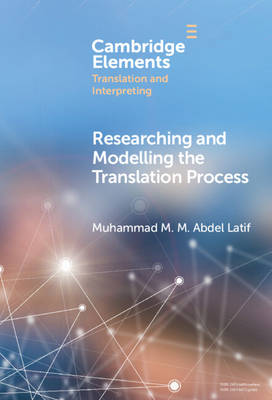
Researching and Modelling the Translation Process
Muhammad M M Abdel Latif
€ 124,45
+ 248 punten
Uitvoering
Omschrijving
Translation process research is almost four decades old. Translator cognition is one of the most complex translation research areas to study. This complexity stems mainly from the difficulties involved in collecting and analyzing translation process data. The Element reviews and discusses the developments in translation process research. Specifically, it highlights the key terms in translation process research, its data sources, the developments this area has witnessed in four decades, and the efforts made in modelling the translation process so far. The work also proposes a translation process model which shows the central role monitoring plays in managing other translation subprocesses and evaluating the information being processed. Based on the issues reviewed and discussed, it is concluded that translation process research is still maturing. Making further developments in this translation research area requires addressing some contextual and methodological gaps, and investigating particular neglected research dimensions.
Specificaties
Betrokkenen
- Auteur(s):
- Uitgeverij:
Inhoud
- Aantal bladzijden:
- 82
- Taal:
- Engels
- Reeks:
Eigenschappen
- Productcode (EAN):
- 9781009532891
- Verschijningsdatum:
- 30/01/2025
- Uitvoering:
- Hardcover
- Formaat:
- Genaaid
- Afmetingen:
- 152 mm x 229 mm
- Gewicht:
- 281 g


Alleen bij Standaard Boekhandel
+ 248 punten op je klantenkaart van Standaard Boekhandel
Cadeau

AANGERADEN


Beoordelingen
We publiceren alleen reviews die voldoen aan de voorwaarden voor reviews. Bekijk onze voorwaarden voor reviews.