


- Afhalen na 1 uur in een winkel met voorraad
- Gratis thuislevering in België vanaf € 30
- Ruim aanbod met 7 miljoen producten
- Afhalen na 1 uur in een winkel met voorraad
- Gratis thuislevering in België vanaf € 30
- Ruim aanbod met 7 miljoen producten





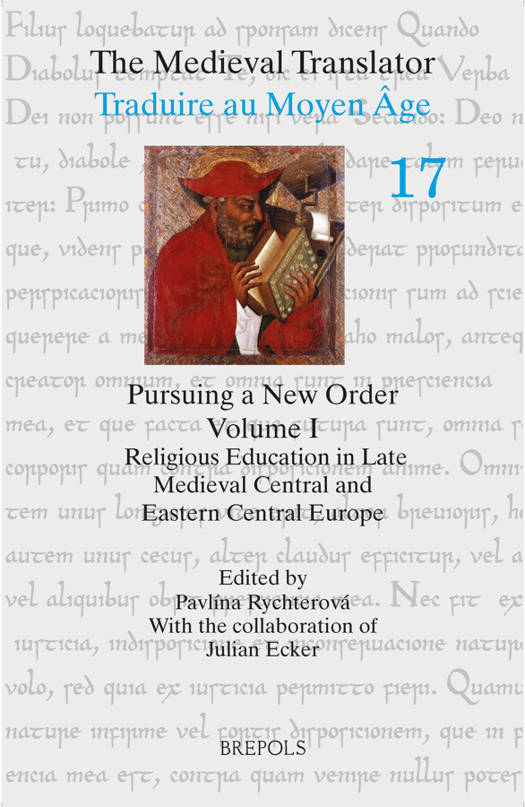
Pursuing a New Order I
Religious Education in Late Medieval Central and Eastern Central Europe
Pavlína Rychterová
€ 79,50
+ 159 punten
Omschrijving
Concentrating on the period of advance of the vernaculars in the context of religious text production in Central and Eastern Central Europe from the fourteenth until the sixteenth century, the individual studies in this volume present material so far neglected by the nationally defined historiographies and literary studies. The process of vernacularization created a new sociolinguistic field for the negotiation of social order through the choice of texts and topics. The volume seeks to answer the question whether, why and how distinctive new communicative, literary, and political cultures developed after the vernacular languages had acquired ever higher levels of literacy and education. The volume fills a gap of contemporary scholarship on the role of the vernaculars and vernacular literatures in European medieval societies and with the focus on the Eastern European regions it breaks new ground in regard to questions that have so far only been explored based on material from Europe's 'West'.
Specificaties
Betrokkenen
- Auteur(s):
- Uitgeverij:
Inhoud
- Aantal bladzijden:
- 265
- Taal:
- Engels
- Reeks:
Eigenschappen
- Productcode (EAN):
- 9782503581804
- Verschijningsdatum:
- 7/02/2019
- Uitvoering:
- Paperback
- Formaat:
- Trade paperback (VS)
- Afmetingen:
- 155 mm x 231 mm
- Gewicht:
- 498 g


Alleen bij Standaard Boekhandel
+ 159 punten op je klantenkaart van Standaard Boekhandel
AANGERADEN


Beoordelingen
We publiceren alleen reviews die voldoen aan de voorwaarden voor reviews. Bekijk onze voorwaarden voor reviews.