


- Afhalen na 1 uur in een winkel met voorraad
- Gratis thuislevering in België vanaf € 30
- Ruim aanbod met 7 miljoen producten
- Afhalen na 1 uur in een winkel met voorraad
- Gratis thuislevering in België vanaf € 30
- Ruim aanbod met 7 miljoen producten





€ 89,95
+ 179 punten
Uitvoering
Omschrijving
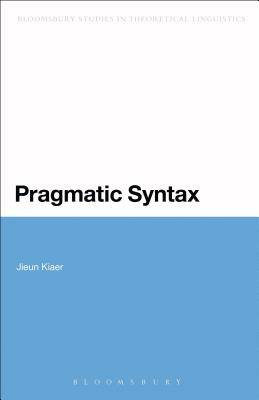
Jieun Kiaer puts forward an argument in this book that the grammar of a language directly underpins the processing of the language, in real time. This is a view that runs against the orthodoxy of linguistic theorizing for the last 50 years, which has insisted that languages have to be characterized in terms that make little or no reference to the dynamics of language use.
This orthodox view fails to fit languages in which the verb has to be at the end of the clause - which encompasses more than half of the world's languages. Thus, as this book shows, these languages remain very problematic for conventional theories. Using a mixture of corpus methods, sentence structure analysis, prosody and psycholinguistic theory, Kiaer redresses this imbalance. The data features both Korean and English example and it functions as one of the very first general introductions to Dynamic Syntax available.Specificaties
Betrokkenen
- Auteur(s):
- Uitgeverij:
Inhoud
- Aantal bladzijden:
- 248
- Taal:
- Engels
- Reeks:
Eigenschappen
- Productcode (EAN):
- 9781474269230
- Verschijningsdatum:
- 17/12/2015
- Uitvoering:
- Paperback
- Formaat:
- Trade paperback (VS)
- Afmetingen:
- 156 mm x 234 mm
- Gewicht:
- 353 g


Alleen bij Standaard Boekhandel
+ 179 punten op je klantenkaart van Standaard Boekhandel
Cadeau

AANGERADEN


Beoordelingen
We publiceren alleen reviews die voldoen aan de voorwaarden voor reviews. Bekijk onze voorwaarden voor reviews.