



Bedankt voor het vertrouwen het afgelopen jaar! Om jou te bedanken bieden we GRATIS verzending (in België) aan op alles gedurende de hele maand januari.
- Afhalen na 1 uur in een winkel met voorraad
- In januari gratis thuislevering in België
- Ruim aanbod met 7 miljoen producten
Bedankt voor het vertrouwen het afgelopen jaar! Om jou te bedanken bieden we GRATIS verzending (in België) aan op alles gedurende de hele maand januari.
- Afhalen na 1 uur in een winkel met voorraad
- In januari gratis thuislevering in België
- Ruim aanbod met 7 miljoen producten





Omschrijving
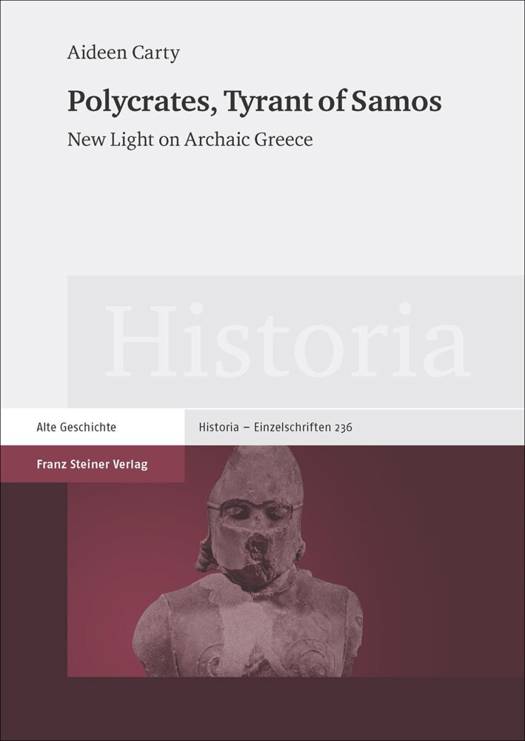
This is the first intensive analysis of one of the most significant figures in Greek history: Polycrates, the 6th century BC Greek tyrant of Samos island, who was renowned for unassailable control of the Aegean Sea when Egypt and Persia were competing for dominance in the area. Polycrates played a pivotal role in this tumultuous period, and in the histories of Archaic Greece, Achaemenid Persia, and Saite Egypt. The chronological extent of this book ranges from the late 7th century BC to Polycrates' death in 522 BC. Key questions concern the basis of his tyranny within the context of earlier Samian history, his alliance with Egypt, his possible support for the Persian invasion of Egypt c. 525 BC, and the reason for an attack on him by Sparta at roughly the same time. With sensitive use of Near Eastern evidence, a new picture emerges of Greek relations with the Near Eastern empires - one that has profound implications for traditional concepts of both tyranny and voluntary mercenary service in the archaic period.
Specificaties
Betrokkenen
- Auteur(s):
- Uitgeverij:
Inhoud
- Aantal bladzijden:
- 260
- Taal:
- Engels
- Reeks:
- Reeksnummer:
- nr. 236
Eigenschappen
- Productcode (EAN):
- 9783515108980
- Verschijningsdatum:
- 12/12/2014
- Uitvoering:
- Hardcover
- Formaat:
- Genaaid
- Afmetingen:
- 170 mm x 239 mm
- Gewicht:
- 575 g



Alleen bij Standaard Boekhandel
+ 277 punten op je klantenkaart van Standaard Boekhandel
SOLDEN


Beoordelingen
We publiceren alleen reviews die voldoen aan de voorwaarden voor reviews. Bekijk onze voorwaarden voor reviews.