


- Afhalen na 1 uur in een winkel met voorraad
- Gratis thuislevering in België vanaf € 30
- Ruim aanbod met 7 miljoen producten
- Afhalen na 1 uur in een winkel met voorraad
- Gratis thuislevering in België vanaf € 30
- Ruim aanbod met 7 miljoen producten





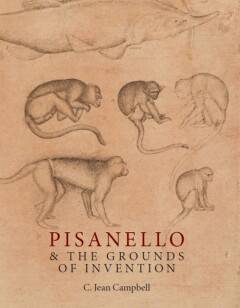
Pisanello and the Grounds of Invention
C Jean Campbell
€ 106,00
+ 212 punten
Omschrijving
The work of the fifteenth-century Italian painter Pisanello has long proven resistent the interpretative procedures of art history, in ways that point to the limits of those procedures as they evolved in the period after the Second World War. Taking Pisanello's art as an example of a larger theoretical issue, the book proposes a model of interpretation that addresses the realm of imitative practice. Using Cennino Cennini's Il Libro del' Arte as a primer, the author argues for an approach that confronts the evidence of the artist's self-tempering work, and then tests that model through an examination of Pisanello's drawings and medals. She exposes the drawings as primary evidence of the ontological groundwork within which the painter finds his own habits of invention, and also demonstrates the value of looking for the groundwork in a selection of Pisanello's official works, including the surviving wall paintings in Veronese churches. In the end, the author contends that the self-reflexive recognition of creative agency is a prerequisite for the apprehension of Pisanello's art, especially the agonistic scenario staged in his panel of The Virgin and Child with Saints George and Anthony and its enigmatic signature.
Specificaties
Betrokkenen
- Auteur(s):
- Uitgeverij:
Inhoud
- Aantal bladzijden:
- 2024
- Taal:
- Engels
- Reeks:
- Reeksnummer:
- nr. 15
Eigenschappen
- Productcode (EAN):
- 9781915487124
- Verschijningsdatum:
- 13/06/2024
- Uitvoering:
- Hardcover
- Formaat:
- Genaaid
- Afmetingen:
- 216 mm x 287 mm
- Gewicht:
- 1156 g


Alleen bij Standaard Boekhandel
+ 212 punten op je klantenkaart van Standaard Boekhandel
Cadeau

AANGERADEN


Beoordelingen
We publiceren alleen reviews die voldoen aan de voorwaarden voor reviews. Bekijk onze voorwaarden voor reviews.