


- Afhalen na 1 uur in een winkel met voorraad
- Gratis thuislevering in België vanaf € 30
- Ruim aanbod met 7 miljoen producten
- Afhalen na 1 uur in een winkel met voorraad
- Gratis thuislevering in België vanaf € 30
- Ruim aanbod met 7 miljoen producten





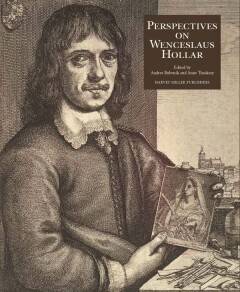
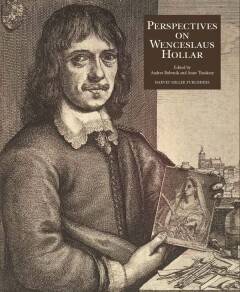
Perspectives on the Art of Wenceslaus Hollar (1607-77)
Andrea Bubenik
€ 137,80
+ 275 punten
Omschrijving
Wenceslaus Hollar (1607 Prague - 1677 London) was one of the most important artists of the 17th century. His international career, affluent patrons, and insatiable curiosity enabled him to create a diverse range of prints and drawings, remarkable for their varied subject matter and exceptional technical qualities. Hollar's oeuvre includes cities and fortifications, portraits, religious subjects, politics, mythology, architecture, heraldry and numismatics, antiquarian relics, costume, maps, sports, classical literature, landscape views, 'Old Master' drawings and paintings, and natural history. His work invokes his close observation of, and engagement with, the natural world, as much as the society of his times. Unfortunately, Hollar has received less attention than many of his contemporaries. He has all too often been undervalued as being primarily a 'reproductive printmaker' - one who reproduces in print the designs of others, or simply copies paintings into print. This volume seeks to revise how Hollar has formerly been characterized, through an exploration of hitherto unexamined drawings, as well as the more innovative qualities of his printmaking. It includes new research on Hollar's biography and his patrons, fresh perspectives on Hollar's portraits and urban scenes, and insights into Hollar's forays into the natural world. Partly the outcome of a 2010 symposium held at the Thomas Fisher Rare Books Library at the University of Toronto (repository of third largest collection of Hollar prints), this book comprises contributions from nine international print scholars, from Australia, Canada, Czech Republic, Germany, England, and The Netherlands. Their work on Hollar reaffirms his importance not only to the history of printmaking, but also to the art, science and culture of his times.
Specificaties
Betrokkenen
- Auteur(s):
- Uitgeverij:
Inhoud
- Aantal bladzijden:
- 242
- Taal:
- Engels
- Reeks:
- Reeksnummer:
- nr. 7
Eigenschappen
- Productcode (EAN):
- 9781909400429
- Verschijningsdatum:
- 14/03/2018
- Uitvoering:
- Hardcover
- Formaat:
- Genaaid
- Afmetingen:
- 224 mm x 286 mm
- Gewicht:
- 1378 g


Alleen bij Standaard Boekhandel
+ 275 punten op je klantenkaart van Standaard Boekhandel
Cadeau

AANGERADEN


Beoordelingen
We publiceren alleen reviews die voldoen aan de voorwaarden voor reviews. Bekijk onze voorwaarden voor reviews.