


- Afhalen na 1 uur in een winkel met voorraad
- Gratis thuislevering in België vanaf € 30
- Ruim aanbod met 7 miljoen producten
- Afhalen na 1 uur in een winkel met voorraad
- Gratis thuislevering in België vanaf € 30
- Ruim aanbod met 7 miljoen producten





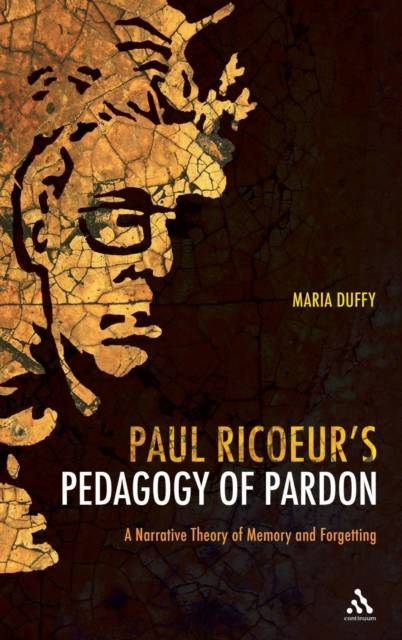
Paul Ricoeur's Pedagogy of Pardon
A Narrative Theory of Memory and Forgetting
Maria Duffy
Hardcover | Engels
€ 322,45
+ 644 punten
Uitvoering
Omschrijving
Maria Duffy describes Paul Ricoeur's narrative theory of memory and addresses central conceptual and methodological issues in his theory of forgiveness and reconciliation. As the many Truth Commissions around the world illustrate, revisiting the past has a positive benefit in steering history in a new direction after protracted violence.
A second deeper strand in the book is the connection between Ricoeur and John Paul II. Both lived through the worst period of modern European history (Ricoeur a prisoner of war during WWII and John Paul, who suffered under the communist regime). Both have written on themes of memory and identity and share a mutual concern for the future of Europe and the preservation of the 'Christian' identity of the Continent as well as the promotion of peace and a civilization of love. The book brings together their shared vision, culminating in the award to Ricoeur by John Paul II of the Paul VI medal for theology.
Specificaties
Betrokkenen
- Auteur(s):
- Uitgeverij:
Inhoud
- Aantal bladzijden:
- 208
- Taal:
- Engels
Eigenschappen
- Productcode (EAN):
- 9781847064745
- Verschijningsdatum:
- 23/06/2009
- Uitvoering:
- Hardcover
- Formaat:
- Genaaid
- Afmetingen:
- 161 mm x 241 mm
- Gewicht:
- 426 g


Alleen bij Standaard Boekhandel
+ 644 punten op je klantenkaart van Standaard Boekhandel

Beoordelingen
We publiceren alleen reviews die voldoen aan de voorwaarden voor reviews. Bekijk onze voorwaarden voor reviews.