



Je cadeautjes zeker op tijd in huis hebben voor de feestdagen? Kom langs in onze winkels en vind het perfecte geschenk!
- Afhalen na 1 uur in een winkel met voorraad
- Gratis thuislevering in België vanaf € 30
- Ruim aanbod met 7 miljoen producten
Je cadeautjes zeker op tijd in huis hebben voor de feestdagen? Kom langs in onze winkels en vind het perfecte geschenk!
- Afhalen na 1 uur in een winkel met voorraad
- Gratis thuislevering in België vanaf € 30
- Ruim aanbod met 7 miljoen producten





€ 67,95
+ 135 punten
Omschrijving
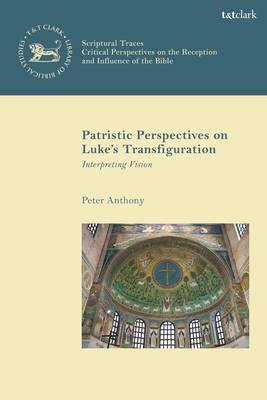
Peter Anthony explores how visionary elements in Luke's Gospel had a particular influence on early interpretation of the Transfiguration, by examining the rich hermeneutical traditions that emerged - particularly in the Latin West - as the Transfiguration was first depicted visually in art.
Anthony begins by comparing the visual and visionary culture of antiquity with that of the present, and their differing interpretations of the Transfiguration. He then examines the Transfiguration texts in the synoptic gospels and their interpretation in modern scholarship, and the reception of the Transfiguration in 2 Peter, the Apocalypse of Peter and the Acts of Peter, Tertullian and Origen. Proceeding to look at interpretations found in the Greek East and the Latin West, Anthony finally discusses the earliest visual depictions of the Transfiguration from the sixth century onward, drawn from a wealth of different art forms. Anthony concludes that early commentators' and artists' understanding of how we see and visualise, and therefore, how the Transfiguration was apprehended, is closer to that of the writers of the New Testament than many modern interpreters' is.
Anthony begins by comparing the visual and visionary culture of antiquity with that of the present, and their differing interpretations of the Transfiguration. He then examines the Transfiguration texts in the synoptic gospels and their interpretation in modern scholarship, and the reception of the Transfiguration in 2 Peter, the Apocalypse of Peter and the Acts of Peter, Tertullian and Origen. Proceeding to look at interpretations found in the Greek East and the Latin West, Anthony finally discusses the earliest visual depictions of the Transfiguration from the sixth century onward, drawn from a wealth of different art forms. Anthony concludes that early commentators' and artists' understanding of how we see and visualise, and therefore, how the Transfiguration was apprehended, is closer to that of the writers of the New Testament than many modern interpreters' is.
Specificaties
Betrokkenen
- Auteur(s):
- Uitgeverij:
Inhoud
- Aantal bladzijden:
- 256
- Taal:
- Engels
- Reeks:
Eigenschappen
- Productcode (EAN):
- 9780567699794
- Verschijningsdatum:
- 28/12/2023
- Uitvoering:
- Paperback
- Formaat:
- Trade paperback (VS)
- Afmetingen:
- 156 mm x 234 mm
- Gewicht:
- 358 g


Alleen bij Standaard Boekhandel
+ 135 punten op je klantenkaart van Standaard Boekhandel
CADEAU


Beoordelingen
We publiceren alleen reviews die voldoen aan de voorwaarden voor reviews. Bekijk onze voorwaarden voor reviews.