


- Afhalen na 1 uur in een winkel met voorraad
- Gratis thuislevering in België vanaf € 30
- Ruim aanbod met 7 miljoen producten
- Afhalen na 1 uur in een winkel met voorraad
- Gratis thuislevering in België vanaf € 30
- Ruim aanbod met 7 miljoen producten





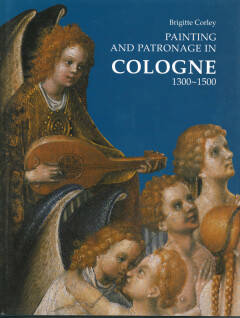
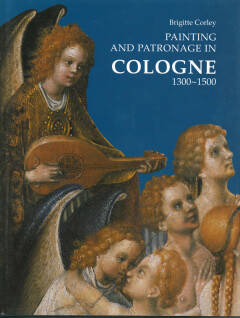
Painting and Patronage in Cologne 1300-1500
Brigitte Corley
€ 63,60
+ 127 punten
Omschrijving
Cologne in the later Middle Ages was an elegant and wealthy mercantile city much favoured by popes and emperors. The largest town in Northern Europe, the site of an important university and seat of a major archbishopric, it had a cosmopolitan population of painters, illuminators, sculptors and goldsmiths and a patrician class who were sophisticated collectors and knowledgeable patrons of art. This book - the first such study in English - traces the development of the Cologne school of painting over two centuries. It begins with the period before 1400, when the adaption of French ideas to the indige- nous tradition produced an elegant, genteel art, characterized by elongated figures and graceful gestures. A change was heralded by the Veronica Master's introduction of the International Courtly Style around 1400, with its sophisticated iconography, costly pigments, exquisite punchwork, gesso jewels and precious brocade fabrics, and by the Dombild Master's introduction around 1440 of Eyckian proportions and realism. In the final phase of this development, the Master of the St Bartholomew Altarpiece opened the door to the Renaissance with his highly distinctive style and innovative iconography. The book is fully illustrated and accompanied by a translation of the guild regulations; a biographical index of archbishops and lay patrons; and a hand- list of cited panels grouped according to location.
Specificaties
Betrokkenen
- Auteur(s):
- Uitgeverij:
Inhoud
- Aantal bladzijden:
- 300
- Taal:
- Engels
- Reeks:
- Reeksnummer:
- nr. 26
Eigenschappen
- Productcode (EAN):
- 9781872501512
- Verschijningsdatum:
- 19/10/2000
- Uitvoering:
- Hardcover
- Formaat:
- Genaaid
- Afmetingen:
- 218 mm x 283 mm
- Gewicht:
- 1796 g


Alleen bij Standaard Boekhandel
+ 127 punten op je klantenkaart van Standaard Boekhandel
Cadeau

AANGERADEN


Beoordelingen
We publiceren alleen reviews die voldoen aan de voorwaarden voor reviews. Bekijk onze voorwaarden voor reviews.