


- Afhalen na 1 uur in een winkel met voorraad
- Gratis thuislevering in België vanaf € 30
- Ruim aanbod met 7 miljoen producten
- Afhalen na 1 uur in een winkel met voorraad
- Gratis thuislevering in België vanaf € 30
- Ruim aanbod met 7 miljoen producten





€ 339,45
+ 678 punten
Uitvoering
Omschrijving
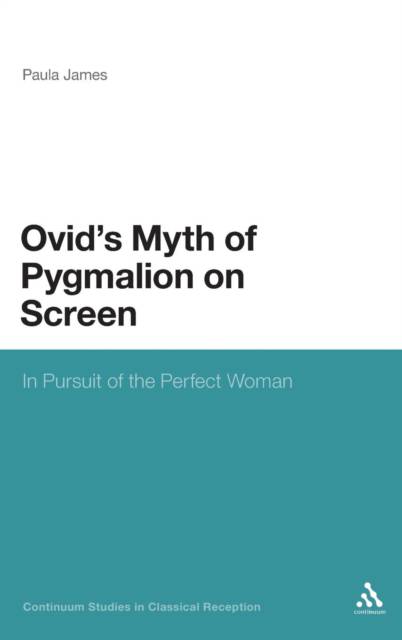
Why has the myth of Pygmalion and his ivory statue proved so inspirational for writers, artists, philosophers, scientists, and directors and creators of films and television series? The 'authorised' version of the story appears in the epic poem of transformations, Metamorphoses, by the first-century CE Latin poet Ovid; in which the bard Orpheus narrates the legend of the sculptor king of Cyprus whose beautiful carved woman was brought to life by the goddess Venus.
Focusing on screen storylines with a Pygmalion subtext, from silent cinema to Buffy the Vampire Slayer and Lars and the Real Girl, this book looks at why and how the made-over or manufactured woman has survived through the centuries and what we can learn about this problematic model of 'perfection' from the perspective of the past and the present. Given the myriad representations of Ovid's myth, can we really make a modern text a tool of interpretation for an ancient poem? This book answers with a resounding 'yes' and explains why it is so important to give antiquity back its future.
Focusing on screen storylines with a Pygmalion subtext, from silent cinema to Buffy the Vampire Slayer and Lars and the Real Girl, this book looks at why and how the made-over or manufactured woman has survived through the centuries and what we can learn about this problematic model of 'perfection' from the perspective of the past and the present. Given the myriad representations of Ovid's myth, can we really make a modern text a tool of interpretation for an ancient poem? This book answers with a resounding 'yes' and explains why it is so important to give antiquity back its future.
Specificaties
Betrokkenen
- Auteur(s):
- Uitgeverij:
Inhoud
- Aantal bladzijden:
- 248
- Taal:
- Engels
- Reeks:
Eigenschappen
- Productcode (EAN):
- 9781441184665
- Verschijningsdatum:
- 8/12/2011
- Uitvoering:
- Hardcover
- Formaat:
- Genaaid
- Afmetingen:
- 157 mm x 236 mm
- Gewicht:
- 521 g


Alleen bij Standaard Boekhandel
+ 678 punten op je klantenkaart van Standaard Boekhandel
Cadeau

AANGERADEN


Beoordelingen
We publiceren alleen reviews die voldoen aan de voorwaarden voor reviews. Bekijk onze voorwaarden voor reviews.