


- Afhalen na 1 uur in een winkel met voorraad
- Gratis thuislevering in België vanaf € 30
- Ruim aanbod met 7 miljoen producten
- Afhalen na 1 uur in een winkel met voorraad
- Gratis thuislevering in België vanaf € 30
- Ruim aanbod met 7 miljoen producten





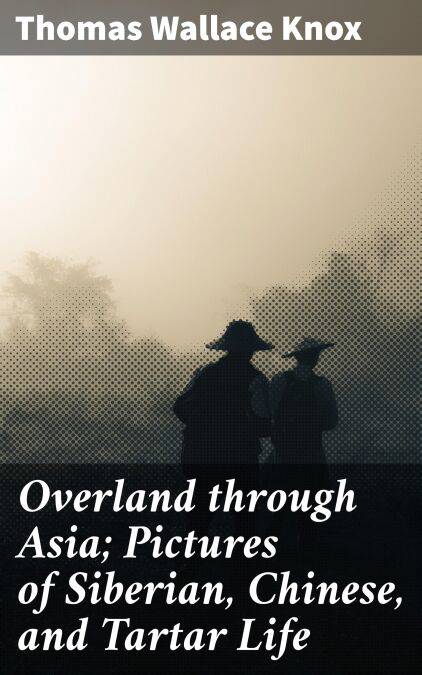
Overland through Asia; Pictures of Siberian, Chinese, and Tartar Life E-BOOK
Exploring the Realms of Siberia, China, and the Tartars: An Asian Journey in the 19th Century
Thomas Wallace Knox
E-book | Engels
€ 1,99
+ 1 punten
Uitvoering
Omschrijving
In "Overland through Asia; Pictures of Siberian, Chinese, and Tartar Life," Thomas Wallace Knox presents an engaging narrative that intricately weaves travelogue with vivid cultural observations. Written in the late 19th century, Knox employs a descriptive literary style that captures the landscapes and diverse peoples he encounters, combining personal anecdotes with richly detailed accounts of life across Siberia, China, and Tartar regions. This work not only serves as a window into the geographic expanse of Asia but also reflects the complexities of colonial perspectives during this era of exploration, offering readers a lens through which they can appreciate the intermingling of cultures in a rapidly changing world. Thomas Wallace Knox, a prominent American journalist and explorer, was influential in shaping the public's understanding of distant lands in the post-Civil War period. His experiences as a war correspondent and his passion for travel shaped his worldview, allowing him to approach Asian cultures with curiosity and respect, although his interpretations are sometimes filtered through Western lenses. Knox's commitment to documenting the lives of various ethnic groups stems from a desire to foster understanding in a time dominated by imperial interests. I highly recommend "Overland through Asia" to readers interested in the intersection of travel writing and cultural history. Knox's insightful observations and evocative prose not only transport the reader across vast terrains but also provoke thoughtful reflections on the nature of globalization and cultural exchange. This book is indispensable for those seeking to delve deeper into the rich tapestry of 19th-century Asia.
Specificaties
Betrokkenen
- Auteur(s):
- Uitgeverij:
Inhoud
- Aantal bladzijden:
- 1588
- Taal:
- Engels
Eigenschappen
- Productcode (EAN):
- 4057664644138
- Verschijningsdatum:
- 24/11/2019
- Uitvoering:
- E-book
- Beveiligd met:
- Digital watermarking
- Formaat:
- ePub


Alleen bij Standaard Boekhandel
+ 1 punten op je klantenkaart van Standaard Boekhandel
Cadeau

AANGERADEN


Beoordelingen
We publiceren alleen reviews die voldoen aan de voorwaarden voor reviews. Bekijk onze voorwaarden voor reviews.