


- Afhalen na 1 uur in een winkel met voorraad
- Gratis thuislevering in België vanaf € 30
- Ruim aanbod met 7 miljoen producten
- Afhalen na 1 uur in een winkel met voorraad
- Gratis thuislevering in België vanaf € 30
- Ruim aanbod met 7 miljoen producten





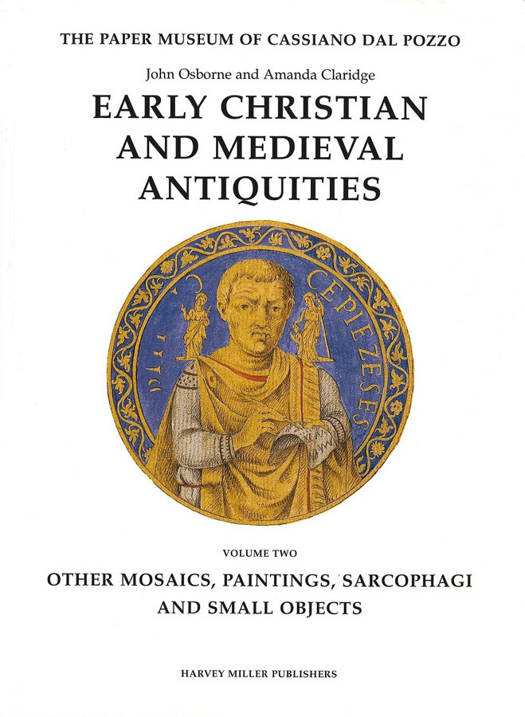
Other Mosaics, Paintings, Sarcophagi and Small Objects
Other Mosaics, Paintings, Sarcophagi and Small Objects
John Osborne, Amanda Claridge
€ 121,90
+ 243 punten
Omschrijving
This volume completes Part II of Series A of the Paper Museum. Together with the first volume, it reflects an unusual aspect of Cassiano's interests, but a particularly relevant one for modern scholars: the material remains of post-classical culture in Rome and the psychical inheritance from the earliest centuries of Christianity. Catalogued here is a diverse and fascinating range of antiquities: reliefs, inscriptions, sarcophagi, sculpture, manuscript illuminations, gold-glass, gems, ivories, lamps, metalwork and 'instruments of martyrdom'. The drawings were mainly collected by Carlo Antonio dal Pozzo, Cassiano's brother, in the later seventeeth century and include some of the finest examples of archaeological draughtsmanship of the period.
Specificaties
Betrokkenen
- Auteur(s):
- Uitgeverij:
Inhoud
- Aantal bladzijden:
- 336
- Taal:
- Engels
- Reeks:
Eigenschappen
- Productcode (EAN):
- 9781872501673
- Verschijningsdatum:
- 01/01/1998
- Uitvoering:
- Hardcover
- Formaat:
- Genaaid
- Gewicht:
- 1899 g


Alleen bij Standaard Boekhandel
+ 243 punten op je klantenkaart van Standaard Boekhandel
Cadeau

AANGERADEN


Beoordelingen
We publiceren alleen reviews die voldoen aan de voorwaarden voor reviews. Bekijk onze voorwaarden voor reviews.