



Bedankt voor het vertrouwen het afgelopen jaar! Om jou te bedanken bieden we GRATIS verzending (in België) aan op alles gedurende de hele maand januari.
- Afhalen na 1 uur in een winkel met voorraad
- In januari gratis thuislevering in België
- Ruim aanbod met 7 miljoen producten
Bedankt voor het vertrouwen het afgelopen jaar! Om jou te bedanken bieden we GRATIS verzending (in België) aan op alles gedurende de hele maand januari.
- Afhalen na 1 uur in een winkel met voorraad
- In januari gratis thuislevering in België
- Ruim aanbod met 7 miljoen producten





Omschrijving
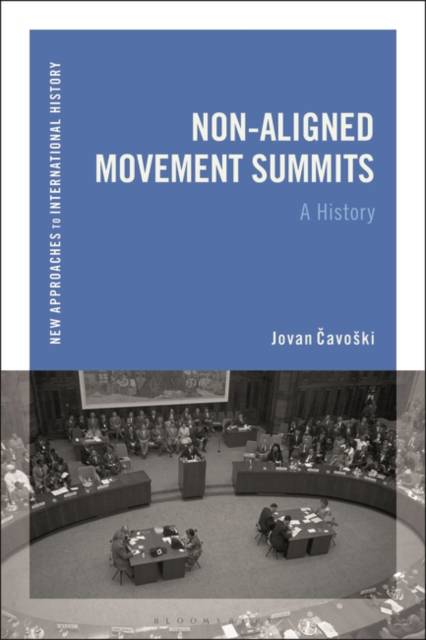
Using newly declassified documents from Serbian, British, Indian, Chinese, Myanmar, U.S., and Soviet archives, Non-Aligned Movement Summits shows how the Non-Aligned Movement (NAM) gradually evolved into the third force of Cold War politics, enveloping most of the post-colonial and non-bloc world.
Jovan Cavoski follows the evolution of the NAM through its summits and other gatherings, during which major political decisions pertaining to the destiny of the Third World were made. These events were scrutinized by all major powers and had a corresponding effect on their policies. From the Belgrade Conference in 1961 until 1989, all major Third World and non-bloc nations met to demonstrate to the Eastern and Western Blocs that they were independent, active and respected participants in world affairs. Cavoski shows how these summits were also closely related to events occurring in the relationship between the two blocs, providing opportunities for non-bloc actors to influence the global balance of power.
By moving the focus of 20th-century international history away from the bloc nations, and instead giving developing nations in Africa and Asia due attention, this book provides a fresh perspective on Cold War history and fills a significant gap in the literature. It is an important study for all students and scholars of the Cold War and international history.
Jovan Cavoski follows the evolution of the NAM through its summits and other gatherings, during which major political decisions pertaining to the destiny of the Third World were made. These events were scrutinized by all major powers and had a corresponding effect on their policies. From the Belgrade Conference in 1961 until 1989, all major Third World and non-bloc nations met to demonstrate to the Eastern and Western Blocs that they were independent, active and respected participants in world affairs. Cavoski shows how these summits were also closely related to events occurring in the relationship between the two blocs, providing opportunities for non-bloc actors to influence the global balance of power.
By moving the focus of 20th-century international history away from the bloc nations, and instead giving developing nations in Africa and Asia due attention, this book provides a fresh perspective on Cold War history and fills a significant gap in the literature. It is an important study for all students and scholars of the Cold War and international history.
Specificaties
Betrokkenen
- Auteur(s):
- Uitgeverij:
Inhoud
- Aantal bladzijden:
- 312
- Taal:
- Engels
- Reeks:
Eigenschappen
- Productcode (EAN):
- 9781350228061
- Verschijningsdatum:
- 28/12/2023
- Uitvoering:
- Paperback
- Formaat:
- Trade paperback (VS)
- Afmetingen:
- 156 mm x 234 mm
- Gewicht:
- 439 g



Alleen bij Standaard Boekhandel
+ 135 punten op je klantenkaart van Standaard Boekhandel
SOLDEN


Beoordelingen
We publiceren alleen reviews die voldoen aan de voorwaarden voor reviews. Bekijk onze voorwaarden voor reviews.