


- Afhalen na 1 uur in een winkel met voorraad
- Gratis thuislevering in België vanaf € 30
- Ruim aanbod met 7 miljoen producten
- Afhalen na 1 uur in een winkel met voorraad
- Gratis thuislevering in België vanaf € 30
- Ruim aanbod met 7 miljoen producten




Omschrijving
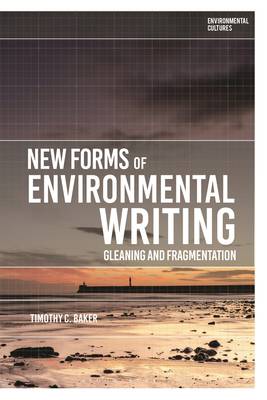
Surveying a wide range of contemporary poetry, fiction, and memoir by women writers, this book explores our most pressing environmental concerns and shows how these texts find innovative new ways to respond to our environmental crisis.
Arguing for the centrality of individual encounter and fragmentary form in 21st-century literature, as well as themes of attention, care, and loss, Baker highlights the ways that fragmentary texts can be seen as a mode of resistance. These texts provide new ways to consider the role of individual agency and enmeshment in a more-than-human world.
The author proposes a new model of 'gleaning' to encompass ideas of collection, assemblage, and relinquishment and draws on theoretical perspectives such as ecofeminism, new materialism and posthumanism. Examining works by writers including Sara Baume, Ali Smith, Elizabeth-Jane Burnett, Bhanu Kapil and Kathleen Jamie, Baker provides important new insights into understanding our planetary predicament.
Specificaties
Betrokkenen
- Auteur(s):
- Uitgeverij:
Inhoud
- Aantal bladzijden:
- 256
- Taal:
- Engels
- Reeks:
Eigenschappen
- Productcode (EAN):
- 9781350271357
- Verschijningsdatum:
- 28/12/2023
- Uitvoering:
- Paperback
- Formaat:
- Trade paperback (VS)
- Afmetingen:
- 156 mm x 234 mm
- Gewicht:
- 353 g


Alleen bij Standaard Boekhandel
Cadeau

AANGERADEN


Beoordelingen
We publiceren alleen reviews die voldoen aan de voorwaarden voor reviews. Bekijk onze voorwaarden voor reviews.