


- Afhalen na 1 uur in een winkel met voorraad
- Gratis thuislevering in België vanaf € 30
- Ruim aanbod met 7 miljoen producten
- Afhalen na 1 uur in een winkel met voorraad
- Gratis thuislevering in België vanaf € 30
- Ruim aanbod met 7 miljoen producten





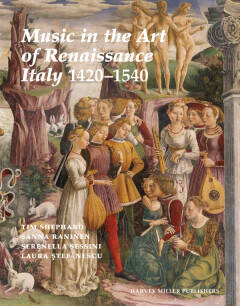
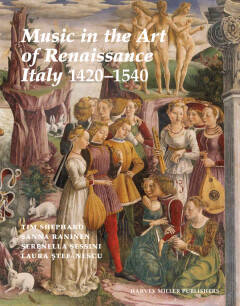
Music in the Art of Renaissance Italy, 1420-1540
Tim Shephard, Sanna Raninen, Serenella Sessini, Laura Stefanescu
€ 148,40
+ 296 punten
Omschrijving
Visual representations of music were ubiquitous in Renaissance Italy. Church interiors were enlivened by altarpieces representing biblical and heavenly musicians, placed in conjunction with the ritual song of the liturgy. The interior spaces of palaces and private houses, in which musical recreations were routine, were adorned with paintings depicting musical characters and myths of the ancient world, and with scenes of contemporary festivity in which music played a central role. Musical luminaries and dilettantes commissioned portraits symbolising their personal and social investment in musical expertise and skill. Such visual representations of music both reflected and sustained a musical culture. The strategies adopted by visual artists when depicting music in any guise betray period understandings of music shared by artists and their clients. At the same time, Renaissance Italians experienced music within a visual environment that prompted them to think about music in particular ways. This book offers the first detailed survey of the representation of music in the art of Renaissance Italy, and in the process opens up new vistas within the social and cultural history of Italian Renaissance music and art.
Specificaties
Betrokkenen
- Auteur(s):
- Uitgeverij:
Inhoud
- Aantal bladzijden:
- 408
- Taal:
- Engels
- Reeks:
Eigenschappen
- Productcode (EAN):
- 9781912554027
- Verschijningsdatum:
- 30/07/2020
- Uitvoering:
- Hardcover
- Formaat:
- Genaaid
- Afmetingen:
- 229 mm x 287 mm
- Gewicht:
- 2131 g


Alleen bij Standaard Boekhandel
+ 296 punten op je klantenkaart van Standaard Boekhandel
AANGERADEN


Beoordelingen
We publiceren alleen reviews die voldoen aan de voorwaarden voor reviews. Bekijk onze voorwaarden voor reviews.