


- Afhalen na 1 uur in een winkel met voorraad
- Gratis thuislevering in België vanaf € 30
- Ruim aanbod met 7 miljoen producten
- Afhalen na 1 uur in een winkel met voorraad
- Gratis thuislevering in België vanaf € 30
- Ruim aanbod met 7 miljoen producten





€ 185,50
+ 371 punten
Omschrijving
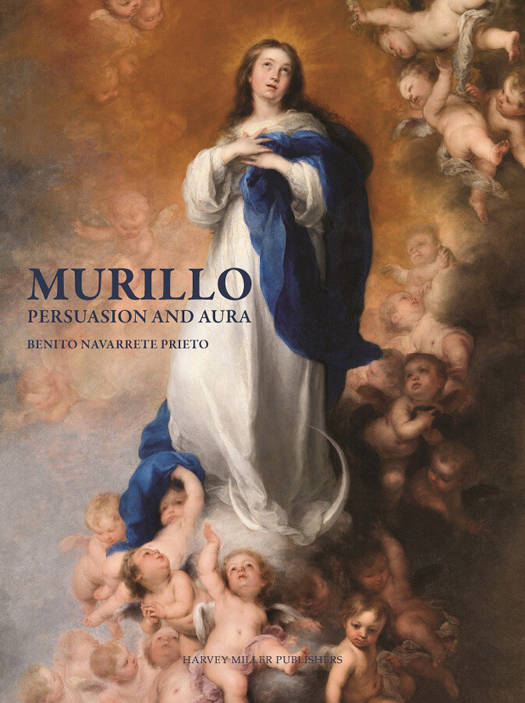
Murillo has attracted particular attention from historians since the seventeenth century to the present day, though opinions of his oeuvre have varied from period to period. The communicative power of his paintings, both then and now, has led him to be used and exploited for different ends. He deliberately cultivated this quality from the time he became an accomplished artist in his native Seville, where he enjoyed great prestige during his lifetime thanks to the resources of his art, his talent and his ability to elicit emotions and arouse passions. His paintings, as if they were prophecies, can only be understood from a visual culture approach and by analysing what his images provoke. Their seemingly easy and familiar appearance is merely the mirror that Murillo, with his command of local codes and the devices of painting, places in front of viewers to trigger a complex empathetic process designed solely to persuade and seduce them, often anticipating their response.
Specificaties
Betrokkenen
- Auteur(s):
- Uitgeverij:
Inhoud
- Aantal bladzijden:
- 348
- Taal:
- Engels
- Reeks:
- Reeksnummer:
- nr. 16
Eigenschappen
- Productcode (EAN):
- 9781912554409
- Verschijningsdatum:
- 14/10/2021
- Uitvoering:
- Hardcover
- Formaat:
- Genaaid
- Gewicht:
- 1990 g


Alleen bij Standaard Boekhandel
+ 371 punten op je klantenkaart van Standaard Boekhandel
Cadeau

AANGERADEN


Beoordelingen
We publiceren alleen reviews die voldoen aan de voorwaarden voor reviews. Bekijk onze voorwaarden voor reviews.