


- Afhalen na 1 uur in een winkel met voorraad
- Gratis thuislevering in België vanaf € 30
- Ruim aanbod met 7 miljoen producten
- Afhalen na 1 uur in een winkel met voorraad
- Gratis thuislevering in België vanaf € 30
- Ruim aanbod met 7 miljoen producten





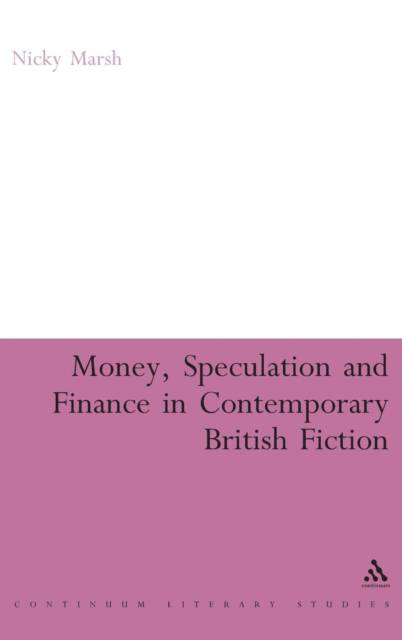
Money, Speculation and Finance in Contemporary British Fiction
Nicky Marsh
€ 339,45
+ 678 punten
Omschrijving
Fiction has become increasingly concerned with the political and imaginative significance of finance, speculation and the money markets - from Ian Fleming's Goldfinger to Jonathan Coe's What a Carve Up and Martin Amis' Money. This book argues that recent British fiction demystifies the 'weightless' economy of contemporary money and critiques the popular sense of money as being everywhere but nowhere. The monograph provides a comprehensive survey of a large body of fictional texts that have striven to represent and understand the formative significance of finance capital on contemporary culture. In these novels, the implications of finance capitalism for political identity, for class politics, for the sovereignty of the nation state and a new global order are all explored, dramatised and critiqued. Authors covered include Margaret Drabble, Ian McEwan, Jonathan Coe, Alan Hollinghurst, Martin Amis and Malcolm Bradbury.
Specificaties
Betrokkenen
- Auteur(s):
- Uitgeverij:
Inhoud
- Aantal bladzijden:
- 176
- Taal:
- Engels
- Reeks:
Eigenschappen
- Productcode (EAN):
- 9780826495440
- Verschijningsdatum:
- 22/01/2008
- Uitvoering:
- Hardcover
- Formaat:
- Genaaid
- Afmetingen:
- 161 mm x 236 mm
- Gewicht:
- 408 g


Alleen bij Standaard Boekhandel
+ 678 punten op je klantenkaart van Standaard Boekhandel
Cadeau

AANGERADEN


Beoordelingen
We publiceren alleen reviews die voldoen aan de voorwaarden voor reviews. Bekijk onze voorwaarden voor reviews.