


- Afhalen na 1 uur in een winkel met voorraad
- Gratis thuislevering in België vanaf € 30
- Ruim aanbod met 7 miljoen producten
- Afhalen na 1 uur in een winkel met voorraad
- Gratis thuislevering in België vanaf € 30
- Ruim aanbod met 7 miljoen producten





Omschrijving
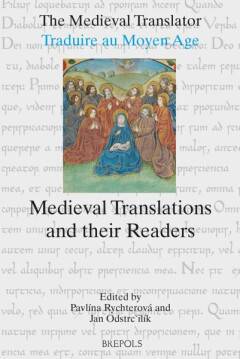
The papers gathered in this volume focus on 'Medieval Translations and their Readership', the special strand of the 11th Cardiff Conference on the Theory and Practice of Translation in the Middle Ages. The volume discusses the role of the reader in the process of translation, communities of readers and their active participation in translators' choices, and the translation as a result of a dialogue between author, text and its reader. Translations of works of theology and religious education, the focus of most of the contributions to this volume, constitute excellent material for research into medieval lay audiences. Vernacular religious educational texts from the thirteenth to the sixteenth century show a great deal of conformity. Individual authors resorted to similar strategies and techniques to meet any translation challenges, to fulfil educational aims, or to relate to their readers and to accommodate their expectations. Simultaneously, the readers played a crucial role as they shaped the production of texts in many ways. Research into Middle English pastoral and devotional literature and the conditions of its production still dominates scholarly work in the field. Religious texts in vernaculars other than Middle English have so far received little attention. This volume tries to tackle this lacuna by offering a careful comparative analysis of relevant vernacular texts across Europe, including Slavonic works, using historiographical, philological, and linguistic methods as well as literary scholarly approaches. The sixteen chapters are organized in three sections. The first one, 'Authors and Readers', brings together articles examining the idea of a model reader as expressed in translations of biblical texts and texts of religious instruction. The contributions in the second section, on the 'Dissimination of Knowledge', focus on how translators addressed readers, how people read, and how they used the manuscripts and printed books made for them. The target audience or model reader of the first section is here put into perspective with the help of discussions of reading practices. The last section, 'Religious Education in Transition', comprises contributions which focus on textual material from the period when printed books gradually changed, the relationship between languages, texts, authors, and readers.
Specificaties
Betrokkenen
- Auteur(s):
- Uitgeverij:
Inhoud
- Aantal bladzijden:
- 350
- Taal:
- Engels
- Reeks:
- Reeksnummer:
- nr. 20
Eigenschappen
- Productcode (EAN):
- 9782503591902
- Verschijningsdatum:
- 28/05/2023
- Uitvoering:
- Paperback
- Formaat:
- Trade paperback (VS)
- Gewicht:
- 5388 g


Alleen bij Standaard Boekhandel
+ 180 punten op je klantenkaart van Standaard Boekhandel
AANGERADEN


Beoordelingen
We publiceren alleen reviews die voldoen aan de voorwaarden voor reviews. Bekijk onze voorwaarden voor reviews.