


- Afhalen na 1 uur in een winkel met voorraad
- Gratis thuislevering in België vanaf € 30
- Ruim aanbod met 7 miljoen producten
- Afhalen na 1 uur in een winkel met voorraad
- Gratis thuislevering in België vanaf € 30
- Ruim aanbod met 7 miljoen producten





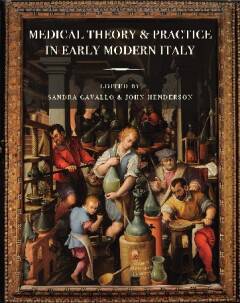
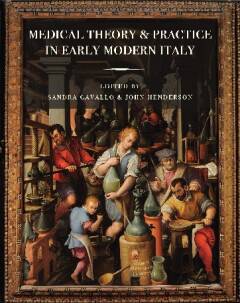
Medical Theory and Practice in Early Modern Italy
Cavallo Sandra
€ 143,10
+ 286 punten
Eenvoudig bestellen
Veilig betalen


Gratis thuislevering vanaf € 30 (via bpost)
Gratis levering in je Standaard Boekhandel
Omschrijving
This volume brings together scholars at the forefront of the latest developments in the history of medicine in Italy. In recent years, the traditional separation between studies of medical theory and studies of medical practice has increasingly given way to a more nuanced approach that problematizes the relationship between these fields, which is too often seen as mechanical. Building on these recent trends, this book sheds new light on the complex ways in which medical knowledge and medical experience interacted in a period characterized by the rise of empiricism, the expansion of scholarly interest in bedside medicine, and the challenges raised by the need to incorporate novel drugs into the classic paradigms of professional medicine. Focusing on a range of themes bodies and diseases, medical treatment, pharmacy and public health chapters in this volume challenge ingrained scholarly accounts of medical theory, highlight areas of innovation in medical treatment arising from vernacular practice, hospital experimentation, and the study of inanimate things, and the impact of these novelties on the more conservative official pharmacopeias. At the same time these essays remind us that medical innovation was not an independent process, but was also the product of commercial dynamics, political interests and religious and charitable discourses.
Specificaties
Betrokkenen
- Auteur(s):
- Uitgeverij:
Inhoud
- Aantal bladzijden:
- 198
- Taal:
- Engels
- Reeks:
- Reeksnummer:
- nr. 9
Eigenschappen
- Productcode (EAN):
- 9781915487650
- Verschijningsdatum:
- 16/10/2025
- Uitvoering:
- Hardcover
- Formaat:
- Genaaid
- Afmetingen:
- 226 mm x 284 mm
- Gewicht:
- 1202 g


Alleen bij Standaard Boekhandel
+ 286 punten op je klantenkaart van Standaard Boekhandel
CADEAU

AANGERADEN


Beoordelingen
We publiceren alleen reviews die voldoen aan de voorwaarden voor reviews. Bekijk onze voorwaarden voor reviews.