


- Afhalen na 1 uur in een winkel met voorraad
- Gratis thuislevering in België vanaf € 30
- Ruim aanbod met 7 miljoen producten
- Afhalen na 1 uur in een winkel met voorraad
- Gratis thuislevering in België vanaf € 30
- Ruim aanbod met 7 miljoen producten





€ 322,45
+ 644 punten
Omschrijving
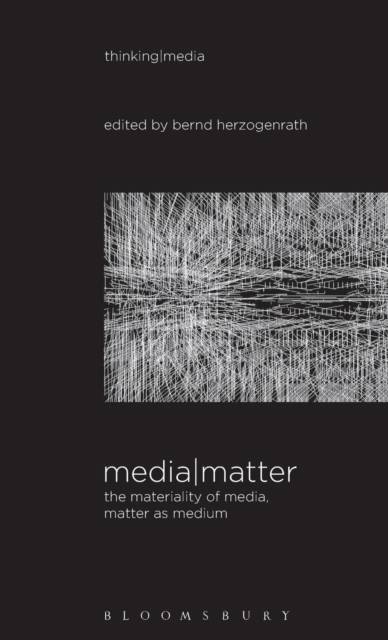
What is a medium? If Nietzsche was right in claiming that "our writing equipment takes part in the forming of our thoughts, +? that media help us "think," and if different media allow for different ways of thinking, then the "body" of the respective medium in question, its materiality, shapes and influences the range and direction of how media make us think. Shouldn't we consequently speak of informed matter and of materialized information?
Launching Bloomsbury's Thinking Media series, Media Matter introduces readers to the nascent field of media-philosophy. Contributors urge readers to re-adjust their ideas of Media Studies, by both extending the understanding of "medium" in such a way as to include a concept of materiality that also includes "non-human" transmitters (elements such as water, earth, fire, air) and by understanding media not only in the context of cultural or discursive systems or apparatuses, relays, transistors, hardware or "discourse networks," but more inclusively, in terms of a "media ecology."
Beginning with more general essays on media and then focusing on particular themes (neuroplasticity, photography, sculpture and music), especially in relation to film, Herzogenrath and contributors redefine the concept of "medium" in order to think through media, rather than about them.
Launching Bloomsbury's Thinking Media series, Media Matter introduces readers to the nascent field of media-philosophy. Contributors urge readers to re-adjust their ideas of Media Studies, by both extending the understanding of "medium" in such a way as to include a concept of materiality that also includes "non-human" transmitters (elements such as water, earth, fire, air) and by understanding media not only in the context of cultural or discursive systems or apparatuses, relays, transistors, hardware or "discourse networks," but more inclusively, in terms of a "media ecology."
Beginning with more general essays on media and then focusing on particular themes (neuroplasticity, photography, sculpture and music), especially in relation to film, Herzogenrath and contributors redefine the concept of "medium" in order to think through media, rather than about them.
Specificaties
Betrokkenen
- Uitgeverij:
Inhoud
- Aantal bladzijden:
- 328
- Taal:
- Engels
- Reeks:
Eigenschappen
- Productcode (EAN):
- 9781628923834
- Verschijningsdatum:
- 27/08/2015
- Uitvoering:
- Hardcover
- Formaat:
- Genaaid
- Afmetingen:
- 145 mm x 218 mm
- Gewicht:
- 566 g

Alleen bij Standaard Boekhandel
+ 644 punten op je klantenkaart van Standaard Boekhandel
Cadeau

AANGERADEN


Beoordelingen
We publiceren alleen reviews die voldoen aan de voorwaarden voor reviews. Bekijk onze voorwaarden voor reviews.