


- Afhalen na 1 uur in een winkel met voorraad
- Gratis thuislevering in België vanaf € 30
- Ruim aanbod met 7 miljoen producten
- Afhalen na 1 uur in een winkel met voorraad
- Gratis thuislevering in België vanaf € 30
- Ruim aanbod met 7 miljoen producten





€ 169,95
+ 339 punten
Omschrijving
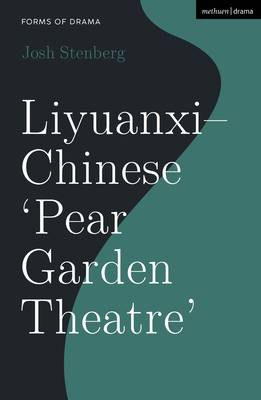
This book offers a stimulating introduction to the Hokkien music drama known as liyuanxi('pear garden theatre'), heir and current expression of one of China's oldest unbroken xiqu ('Chinese opera') traditions. It considers the genre's history prior to the 20th century, its signal successes before and after the Cultural Revolution, and its national prominence today. Beginning with an analysis of the form's aesthetics and techniques, it proceeds to an overview of its rich and distinctive narrative repertoire, including several dramas unique to the genre.
Josh Stenberg illustrates liyuanxi's distinctive musical and narrative qualities and presents the performance art's place, not only in Chinese drama and theatre history, but also in the culture of the historic port city of Quanzhou and the broader Hokkien region and diaspora. This study focuses on the work of the only professional theatre troupe in the genre, the Fujian Province Liyuanxi Experimental Theatre (FPLET), and examines the practice of director and leading actor Zeng Jingping, whose performances have focused attention on the genre's expression of women's desires and ambitions, and on her colleague, playwright Wang Renjie. It argues that new scripts engage with the issues of contemporary China while respecting the genre's traditions and conventions, and have led to rewritings of traditional repertoire by younger female authors. Stenberg's book skilfully demonstrates how a traditional theatre can adapt and thrive in a contemporary society, providing an indispensable introduction while whetting the appetite for the genre's exhilarating live performances.
Josh Stenberg illustrates liyuanxi's distinctive musical and narrative qualities and presents the performance art's place, not only in Chinese drama and theatre history, but also in the culture of the historic port city of Quanzhou and the broader Hokkien region and diaspora. This study focuses on the work of the only professional theatre troupe in the genre, the Fujian Province Liyuanxi Experimental Theatre (FPLET), and examines the practice of director and leading actor Zeng Jingping, whose performances have focused attention on the genre's expression of women's desires and ambitions, and on her colleague, playwright Wang Renjie. It argues that new scripts engage with the issues of contemporary China while respecting the genre's traditions and conventions, and have led to rewritings of traditional repertoire by younger female authors. Stenberg's book skilfully demonstrates how a traditional theatre can adapt and thrive in a contemporary society, providing an indispensable introduction while whetting the appetite for the genre's exhilarating live performances.
Specificaties
Betrokkenen
- Auteur(s):
- Uitgeverij:
Inhoud
- Aantal bladzijden:
- 192
- Taal:
- Engels
- Reeks:
Eigenschappen
- Productcode (EAN):
- 9781350157392
- Verschijningsdatum:
- 15/12/2022
- Uitvoering:
- Hardcover
- Formaat:
- Genaaid
- Afmetingen:
- 127 mm x 203 mm
- Gewicht:
- 317 g


Alleen bij Standaard Boekhandel
+ 339 punten op je klantenkaart van Standaard Boekhandel
Cadeau

AANGERADEN


Beoordelingen
We publiceren alleen reviews die voldoen aan de voorwaarden voor reviews. Bekijk onze voorwaarden voor reviews.