


- Afhalen na 1 uur in een winkel met voorraad
- Gratis thuislevering in België vanaf € 30
- Ruim aanbod met 7 miljoen producten
- Afhalen na 1 uur in een winkel met voorraad
- Gratis thuislevering in België vanaf € 30
- Ruim aanbod met 7 miljoen producten





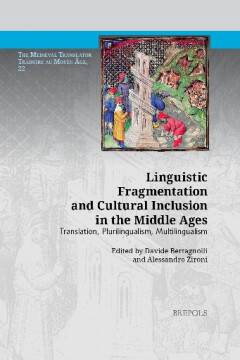
Linguistic Fragmentation and Cultural Inclusion in the Middle Ages
Translation, Plurilingualism, Multilingualism
Davide Bertagnolli
€ 95,40
+ 190 punten
Omschrijving
Linguistic fragmentation contains the risk of cultural separation, while the concept of inclusion implies the recognition of the difference of the Other, who must be recognised in its specificity to develop a process of inclusion. One of the main means of overcoming the dangers hidden in linguistic fragmentation is unquestionably plurilingualism and, relatedly, translation. Translation enables the transmission of content from one linguistic-cultural system to another. Multilingualism is not just a peculiarity of the contemporary age; it is a fundamental phenomenon of the Middle Ages. The conceptual relationship between linguistic fragmentation and cultural inclusion, and the inter-relationships of these two apparently opposing poles with the communicative tool of translation, requires some reflection within the broader framework of translation studies in the Middle Ages. This collection of essays examines the seemingly paradoxical concept of linguistic fragmentation as an instrument of cultural inclusion thanks to the practice of translation. The essays explain the relationship through translations between many medieval languages and texts, from Icelandic to Italian, from English to French, and more. They examine vernacular circulation of religious texts (translation of the Bible, of hagiographic or homiletic texts, etc.); circulation, thanks to translation, of literary texts (e.g., the translation of epic-chivalric cycles); translation from a koine language to another language and vice versa; and the relationship between the choice of the target language and the socio-cultural context.
Specificaties
Betrokkenen
- Auteur(s):
- Uitgeverij:
Inhoud
- Aantal bladzijden:
- 326
- Taal:
- Frans
- Reeks:
- Reeksnummer:
- nr. 22
Eigenschappen
- Productcode (EAN):
- 9782503613642
- Verschijningsdatum:
- 27/02/2025
- Uitvoering:
- Paperback
- Formaat:
- Trade paperback (VS)
- Gewicht:
- 331 g


Alleen bij Standaard Boekhandel
+ 190 punten op je klantenkaart van Standaard Boekhandel
Cadeau

AANGERADEN


Beoordelingen
We publiceren alleen reviews die voldoen aan de voorwaarden voor reviews. Bekijk onze voorwaarden voor reviews.