


- Afhalen na 1 uur in een winkel met voorraad
- Gratis thuislevering in België vanaf € 30
- Ruim aanbod met 7 miljoen producten
- Afhalen na 1 uur in een winkel met voorraad
- Gratis thuislevering in België vanaf € 30
- Ruim aanbod met 7 miljoen producten





€ 22,45
+ 44 punten
Omschrijving
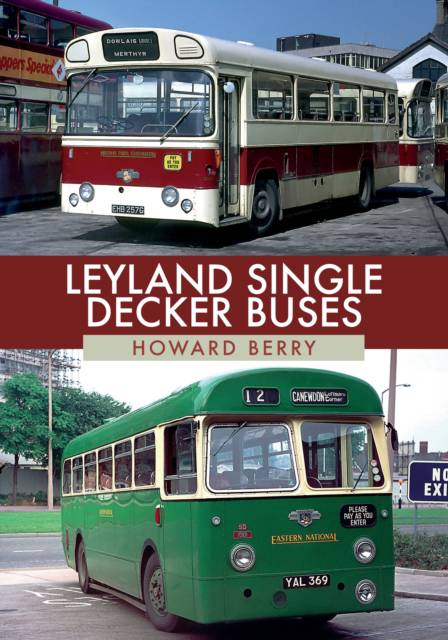
You wouldn't think that a steam lawnmower could evolve into a high-class luxury coach or a 100-seat doubledecker bus. But that's the two extremes of the Leyland story, a story that began in a Lancashire garden shed in the latter part of the 19th century. Leyland Motors went on to produce thousands of vehicles for sale all over the world, vehicles such as the National--or years the standard single-decker bus for the National Bus Company. Through acquisition and merger, the majority of British vehicle manufacturers ended up under the Leyland banner, resulting in the creation of the mighty British Leyland Motor Corporation, whose subsequent fall from grace has been widely documented elsewhere. This, the second in a series of books showcasing the products of the passenger division of Leyland, concentrates on single-deck buses and, in addition to the more well-known models such as the National and Lynx, includes less successful models such as the Panther and Panther Cub. It contains 180 photographs, most of which are in color, all with informative text and taken when the vehicles were in their operating heyday.
Specificaties
Betrokkenen
- Auteur(s):
- Uitgeverij:
Inhoud
- Aantal bladzijden:
- 96
- Taal:
- Engels
Eigenschappen
- Productcode (EAN):
- 9781445687087
- Verschijningsdatum:
- 15/08/2019
- Uitvoering:
- Paperback
- Formaat:
- Trade paperback (VS)
- Afmetingen:
- 165 mm x 235 mm
- Gewicht:
- 285 g


Alleen bij Standaard Boekhandel
+ 44 punten op je klantenkaart van Standaard Boekhandel
CADEAU

AANGERADEN


Beoordelingen
We publiceren alleen reviews die voldoen aan de voorwaarden voor reviews. Bekijk onze voorwaarden voor reviews.