


- Afhalen na 1 uur in een winkel met voorraad
- Gratis thuislevering in België vanaf € 30
- Ruim aanbod met 7 miljoen producten
- Afhalen na 1 uur in een winkel met voorraad
- Gratis thuislevering in België vanaf € 30
- Ruim aanbod met 7 miljoen producten




€ 59,45
+ 118 punten
Omschrijving
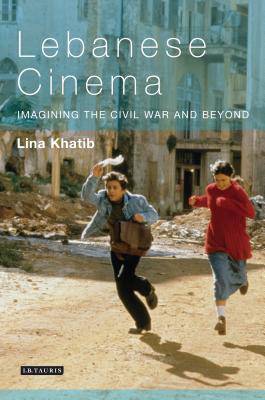
Modern Lebanese cinema can best be explored in the context of the Civil War, in part because almost all the Lebanese films made since its outset in 1975 have been about this war. Lina Khatib takes 1975 Beirut as her starting point, and takes us right through to today for this, the first major book on Lebanese cinema and its links with politics and national identity.She examines how Lebanon is imagined in such films as Jocelyn Saab's "Once Upon a Time, Beirut", Ghassan Salhab's "Terra Incognita", and Ziad Doueiri's "West Beirut". In so doing, she re-examines the importance of cinema to the national imagination. Also, and using interviews with the current generation of Lebanese filmmakers, she uncovers how in the Lebanese context cinema can both construct and communicate a national identity and thereby opens up new perspectives on the socio-political role of cinema in the Arab world.
Specificaties
Betrokkenen
- Auteur(s):
- Uitgeverij:
Inhoud
- Aantal bladzijden:
- 240
- Taal:
- Engels
- Reeks:
Eigenschappen
- Productcode (EAN):
- 9781845116286
- Verschijningsdatum:
- 1/10/2008
- Uitvoering:
- Paperback
- Formaat:
- Trade paperback (VS)
- Afmetingen:
- 157 mm x 231 mm
- Gewicht:
- 385 g


Alleen bij Standaard Boekhandel
+ 118 punten op je klantenkaart van Standaard Boekhandel
Wedstrijd


Beoordelingen
We publiceren alleen reviews die voldoen aan de voorwaarden voor reviews. Bekijk onze voorwaarden voor reviews.