


- Afhalen na 1 uur in een winkel met voorraad
- Gratis thuislevering in België vanaf € 30
- Ruim aanbod met 7 miljoen producten
- Afhalen na 1 uur in een winkel met voorraad
- Gratis thuislevering in België vanaf € 30
- Ruim aanbod met 7 miljoen producten





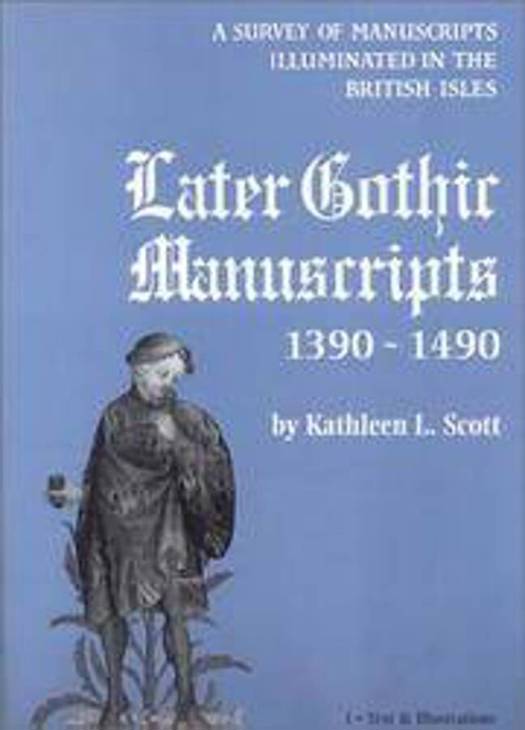
Later Gothic Manuscripts 1390-1490
Kathleen L Scott
€ 74,20
+ 148 punten
Omschrijving
This is the sixth and final part of the Survey of Manuscripts Illuminated in the British Isles. The author has made a perceptive selection of the rich and varied illuminated books of the 15th century, many previously unstudied, and has catalogued these in the greatest detail. She includes many surviving manuscripts of the period which contain the finest works of art, and also shows some of the illustrations to the great examples of Middle English literature such as Chaucer, Lydgate and Gower which will be of particular interest to English scholars. Among the masterpieces of the period are liturgical works: the Carmelite, Abingdon and Sherbone Missals, the Bedford Hours and the Lovell Lectionary. Besides these, medical, botanical and topographical books are represented as well as works of chivalry and chronicles of the Kings of England. Dr Scott describes workshop practice and the way in which different craftsmen contributed to the same book. She traces the development from monastic to commercial shop practice (especially in London) in the period preceding the advent of printing. These manuscripts provide insights into the 15th-century view of court, church, ordinary ways of life and working methods, making this final volume in the Survey of English manuscripts a book of exceptional interest and value for historians of art and society.
Specificaties
Betrokkenen
- Auteur(s):
- Uitgeverij:
Inhoud
- Aantal bladzijden:
- 728
- Taal:
- Engels
- Reeks:
- Reeksnummer:
- nr. 6
Eigenschappen
- Productcode (EAN):
- 9780905203041
- Verschijningsdatum:
- 1/01/1996
- Uitvoering:
- Hardcover
- Formaat:
- Genaaid
- Afmetingen:
- 232 mm x 337 mm
- Gewicht:
- 4413 g


Alleen bij Standaard Boekhandel
+ 148 punten op je klantenkaart van Standaard Boekhandel
Cadeau

AANGERADEN


Beoordelingen
We publiceren alleen reviews die voldoen aan de voorwaarden voor reviews. Bekijk onze voorwaarden voor reviews.