


- Afhalen na 1 uur in een winkel met voorraad
- Gratis thuislevering in België vanaf € 30
- Ruim aanbod met 7 miljoen producten
- Afhalen na 1 uur in een winkel met voorraad
- Gratis thuislevering in België vanaf € 30
- Ruim aanbod met 7 miljoen producten





€ 148,40
+ 296 punten
Omschrijving
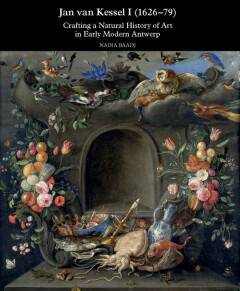
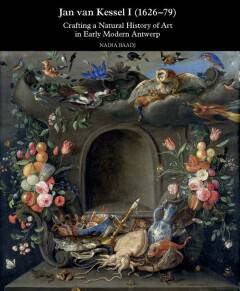
The Antwerp artist Jan van Kessel the Elder (1626-1679) was esteemed throughout Europe for producing finely-wrought, miniature paintings on copper that depict a wide range of flora and fauna, exotic landscapes, and objects of natural artistry (e.g. shells, coral, precious stones). The 'natural' world presented in Van Kessel's art was not a transparent window onto nature, however, but instead was ambitiously crafted through the artist's reappropriation of Antwerp's artistic traditions, material culture, and artisanal knowledge practices. Through a combination of wit, technical virtuosity, self-referentiality, and allusions to local art-historical lineage, Van Kessel's paintings encourage viewers to simultaneously think about art, in terms of collecting, connoisseurship, citation, and media, and think anew about nature. This study uses Van Kessel's art as a distinctive lens through which to examine the relationship between craft, curiosity, and the pursuit of natural knowledge in the early modern period. Each chapter situates Van Kessel within a particular context where art and natural history intersected in late seventeenth-century Antwerp. Taken together, these investigations reveal how his production responded to a unique convergence of circumstances in that city which included the growth of a popular, commercial strand of natural history, a thriving culture of art collecting and connoisseurship focused on local artists, and a burgeoning luxury industry. Van Kessel's material and conceptual interventions into the representation of nature, such as his innovative, painted cabinets without drawers and witty signatures formed from insects and snakes, enabled him to redefine the scope of natural historical illustration and negotiate the value and status of the small-format cabinet picture.
Specificaties
Betrokkenen
- Auteur(s):
- Uitgeverij:
Inhoud
- Aantal bladzijden:
- 208
- Taal:
- Engels
- Reeks:
- Reeksnummer:
- nr. 5
Eigenschappen
- Productcode (EAN):
- 9781909400238
- Verschijningsdatum:
- 30/03/2016
- Uitvoering:
- Hardcover
- Formaat:
- Genaaid
- Afmetingen:
- 224 mm x 282 mm
- Gewicht:
- 1610 g


Alleen bij Standaard Boekhandel
+ 296 punten op je klantenkaart van Standaard Boekhandel
Cadeau

AANGERADEN


Beoordelingen
We publiceren alleen reviews die voldoen aan de voorwaarden voor reviews. Bekijk onze voorwaarden voor reviews.