


- Afhalen na 1 uur in een winkel met voorraad
- Gratis thuislevering in België vanaf € 30
- Ruim aanbod met 7 miljoen producten
- Afhalen na 1 uur in een winkel met voorraad
- Gratis thuislevering in België vanaf € 30
- Ruim aanbod met 7 miljoen producten





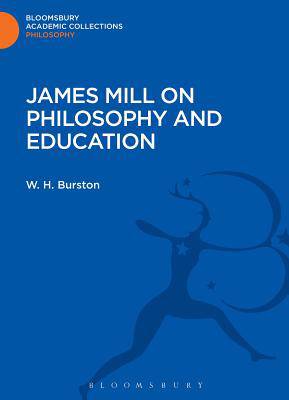
James Mill on Philosophy and Education
W H Burston
€ 322,45
+ 644 punten
Omschrijving
Looked upon in his day as the philosopher of the Utilitarians, James Mill was an independent thinker centrally concerned with problems of education. Professor Burston's study places Mill's Essay on Education, his contribution to the Encyclopaedia Britannica of the day, in its historical context and examines the views expressed in this and in other private and published writings, discussing in detail how Mill's view of ethics, psychology and theory of knowledge related to his theory of education, his practical experience as a teacher (especially of his own children) and to his philosophical position as a whole.
This work will be of value to all interested in the interrelations of history, philosophy and education in the early nineteenth century.
This work will be of value to all interested in the interrelations of history, philosophy and education in the early nineteenth century.
Specificaties
Betrokkenen
- Auteur(s):
- Uitgeverij:
Inhoud
- Aantal bladzijden:
- 254
- Taal:
- Engels
- Reeks:
Eigenschappen
- Productcode (EAN):
- 9781472509406
- Verschijningsdatum:
- 2/01/2014
- Uitvoering:
- Hardcover
- Formaat:
- Genaaid
- Afmetingen:
- 156 mm x 234 mm
- Gewicht:
- 553 g


Alleen bij Standaard Boekhandel
+ 644 punten op je klantenkaart van Standaard Boekhandel
Cadeau

AANGERADEN


Beoordelingen
We publiceren alleen reviews die voldoen aan de voorwaarden voor reviews. Bekijk onze voorwaarden voor reviews.