


- Afhalen na 1 uur in een winkel met voorraad
- Gratis thuislevering in België vanaf € 30
- Ruim aanbod met 7 miljoen producten
- Afhalen na 1 uur in een winkel met voorraad
- Gratis thuislevering in België vanaf € 30
- Ruim aanbod met 7 miljoen producten





€ 106,00
+ 212 punten
Omschrijving
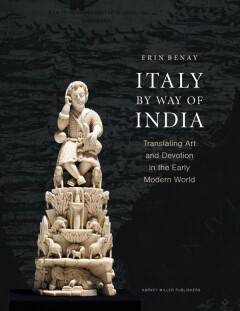
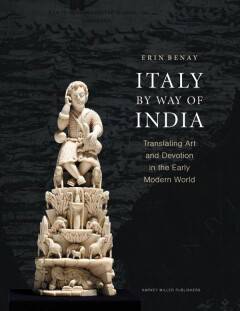
The return of a saint's body to its rightful resting place was an event of civic and spiritual significance retold in Medieval sources and substantiated by artistic commissions. Legends of Saint Thomas Apostle, for instance, claimed that the martyred saint had been miraculously transported from India to Italy during the thirteenth century. However, Saint Thomas's purported resting place in Ortona, Italy did not become a major stopping point on pilgrimage or exploration routes, nor did this event punctuate frescoed life cycles or become a subject for Renaissance altarpieces as one would expect. Instead, the site of the apostle's burial in Chennai, India has flourished as a terminus of religious pilgrimage, where a multifaceted visual tradition emerged, and where a vibrant local cult of 'Thomas Christians' remains to this day. An unlikely destination on the edge of the 'known' world thus became a surprising source of early modern Christian piety. By studying the art and texts associated with this little-known cult, this book disrupts assumptions about how knowledge of Asia took shape during the Renaissance and challenges art historical paradigms in which art was crafted by locals merely to be exported, collected, and consumed by curious European patrons. In so doing, Italy by Way of India proposes that we redefine the parameters of early modern visual culture to account for the ways that global mobility and the circulation of objects profoundly influence how cultures see and know each other as well as themselves.
Specificaties
Betrokkenen
- Auteur(s):
- Uitgeverij:
Inhoud
- Aantal bladzijden:
- 206
- Taal:
- Engels
- Reeks:
Eigenschappen
- Productcode (EAN):
- 9781912554775
- Verschijningsdatum:
- 10/03/2022
- Uitvoering:
- Hardcover
- Formaat:
- Genaaid
- Gewicht:
- 7615 g


Alleen bij Standaard Boekhandel
+ 212 punten op je klantenkaart van Standaard Boekhandel
Cadeau

AANGERADEN


Beoordelingen
We publiceren alleen reviews die voldoen aan de voorwaarden voor reviews. Bekijk onze voorwaarden voor reviews.