


- Afhalen na 1 uur in een winkel met voorraad
- Gratis thuislevering in België vanaf € 30
- Ruim aanbod met 7 miljoen producten
- Afhalen na 1 uur in een winkel met voorraad
- Gratis thuislevering in België vanaf € 30
- Ruim aanbod met 7 miljoen producten





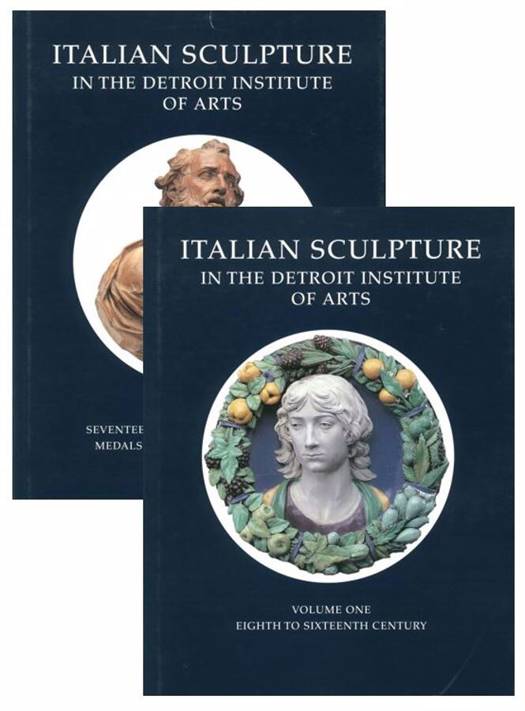
Italian Sculpture in the Detroit Institute of Arts
Alan Darr
€ 79,50
+ 159 punten
Eenvoudig bestellen
Veilig betalen


Gratis thuislevering vanaf € 30 (via bpost)
Gratis levering in je Standaard Boekhandel
Omschrijving
The collection of post-antique Italian sculpture in the Detroit Institute of Arts is considered among the three finest and most comprehensive outside Europe; however, this large and distinguished collection, whose formation began a century ago, has never been published in its entirety as a museum catalogue. Ranging from early medieval, pre-Romanesque stone carvings of the eighth and ninth centuries to works created more than a millennium later, the collection numbers over 350 pieces of Italian sculpture in wood, stone, terracotta, stucco, porcelain and bronze. More than half of the collection consists of sculpture from the fifteenth and sixteenth centuries (or the Early, High and Late Italian Renaissance), and approximately one-fifth dates from the thirteenth and fourteenth centuries (roughly, Italian Gothic sculpture). Although the remainder is more or less equally balanced in number between the eighth to the twelfth centuries, and those pieces from the seventeenth to the early twentieth centuries, the latter group of Italian baroque to nineteenth-century sculpture contains some of the most important and most recently acquired Italian works of art in the collection.
Specificaties
Betrokkenen
- Auteur(s):
- Uitgeverij:
Inhoud
- Aantal bladzijden:
- 564
- Taal:
- Engels
- Reeks:
- Reeksnummer:
- nr. 1
Eigenschappen
- Productcode (EAN):
- 9781872501383
- Verschijningsdatum:
- 24/02/2003
- Uitvoering:
- Hardcover
- Formaat:
- Genaaid
- Afmetingen:
- 216 mm x 286 mm
- Gewicht:
- 2599 g



Alleen bij Standaard Boekhandel
+ 159 punten op je klantenkaart van Standaard Boekhandel
CADEAU

AANGERADEN


Beoordelingen
We publiceren alleen reviews die voldoen aan de voorwaarden voor reviews. Bekijk onze voorwaarden voor reviews.