


- Afhalen na 1 uur in een winkel met voorraad
- Gratis thuislevering in België vanaf € 30
- Ruim aanbod met 7 miljoen producten
- Afhalen na 1 uur in een winkel met voorraad
- Gratis thuislevering in België vanaf € 30
- Ruim aanbod met 7 miljoen producten





€ 67,95
+ 135 punten
Uitvoering
Omschrijving
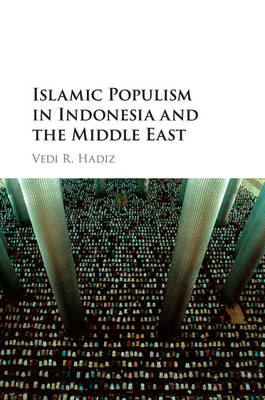
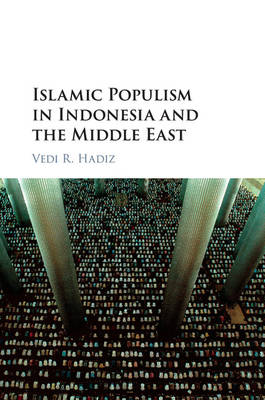
In a novel approach to the field of Islamic politics, this provocative new study compares the evolution of Islamic populism in Indonesia, the country with the largest Muslim population in the world, to the Middle East. Utilising approaches from historical sociology and political economy, Vedi R. Hadiz argues that competing strands of Islamic politics can be understood as the product of contemporary struggles over power, material resources and the result of conflict across a variety of social and historical contexts. Drawing from detailed case studies across the Middle East and Southeast Asia, the book engages with broader theoretical questions about political change in the context of socio-economic transformations and presents an innovative, comparative framework to shed new light on the diverse trajectories of Islamic politics in the modern world.
Specificaties
Betrokkenen
- Auteur(s):
- Uitgeverij:
Inhoud
- Aantal bladzijden:
- 240
- Taal:
- Engels
Eigenschappen
- Productcode (EAN):
- 9781107559097
- Verschijningsdatum:
- 01/06/2017
- Uitvoering:
- Paperback
- Formaat:
- Trade paperback (VS)
- Afmetingen:
- 152 mm x 229 mm
- Gewicht:
- 326 g


Alleen bij Standaard Boekhandel
+ 135 punten op je klantenkaart van Standaard Boekhandel
Cadeau

AANGERADEN


Beoordelingen
We publiceren alleen reviews die voldoen aan de voorwaarden voor reviews. Bekijk onze voorwaarden voor reviews.