


- Afhalen na 1 uur in een winkel met voorraad
- Gratis thuislevering in België vanaf € 30
- Ruim aanbod met 7 miljoen producten
- Afhalen na 1 uur in een winkel met voorraad
- Gratis thuislevering in België vanaf € 30
- Ruim aanbod met 7 miljoen producten





€ 89,95
+ 179 punten
Uitvoering
Omschrijving
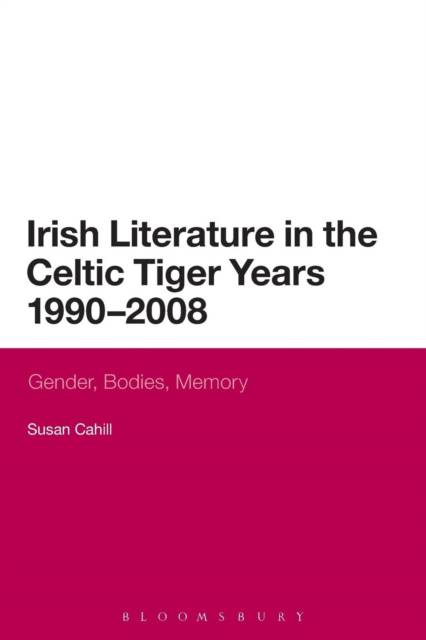
When Irish culture and economics underwent rapid changes during the Celtic Tiger Years, Anne Enright, Colum McCann and Éilís Ní Dhuibhne began writing. Now that period of Irish history has closed, this study uncovers how their writing captured that unique historical moment.
By showing how Ní Dhuibhne's novels act as considered arguments against attempts to disavow the past, how McCann's protagonists come to terms with their history and how Enright's fiction explores connections and relationships with the female body, Susan Cahill's study pinpoints common concerns for contemporary Irish writers: the relationship between the body, memory and history, between generations, and between past and present. Cahill is able to raise wider questions about Irish culture by looking specifically at how writers engage with the body. In exploring the writers' concern with embodied histories, related questions concerning gender, race, and Irishness are brought to the fore. Such interrogations of corporeality alongside history are imperative, making this a significant contribution to ongoing debates of feminist theory in Irish Studies.Specificaties
Betrokkenen
- Auteur(s):
- Uitgeverij:
Inhoud
- Aantal bladzijden:
- 240
- Taal:
- Engels
- Reeks:
Eigenschappen
- Productcode (EAN):
- 9780567533821
- Verschijningsdatum:
- 24/10/2013
- Uitvoering:
- Paperback
- Formaat:
- Trade paperback (VS)
- Afmetingen:
- 156 mm x 234 mm
- Gewicht:
- 340 g


Alleen bij Standaard Boekhandel
+ 179 punten op je klantenkaart van Standaard Boekhandel
Cadeau

AANGERADEN


Beoordelingen
We publiceren alleen reviews die voldoen aan de voorwaarden voor reviews. Bekijk onze voorwaarden voor reviews.