


- Afhalen na 1 uur in een winkel met voorraad
- Gratis thuislevering in België vanaf € 30
- Ruim aanbod met 7 miljoen producten
- Afhalen na 1 uur in een winkel met voorraad
- Gratis thuislevering in België vanaf € 30
- Ruim aanbod met 7 miljoen producten





€ 127,20
+ 254 punten
Omschrijving
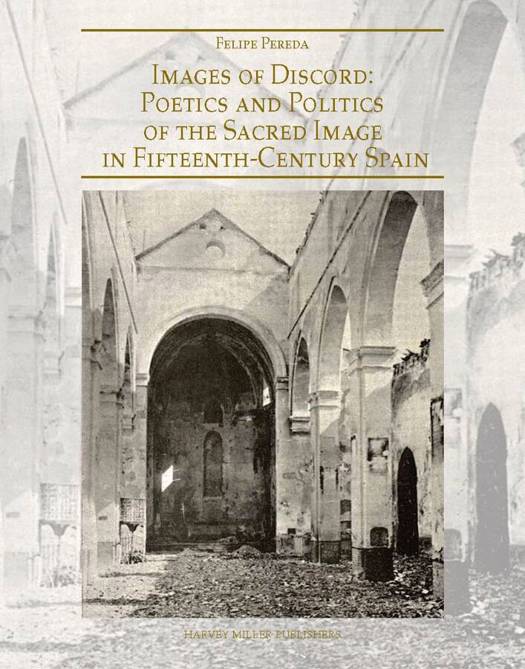
Felipe Pereda reconstructs the history of religious art in Spain between two crucial dates in the politics of the image enforced by the Reyes Catolicos: 1478 and 1501. By focusing first on Seville, then on Granada Pereda evokes the first moments of the institution of the Santo Oficio and its later developments. In both cities, the local authorities had established the obligation for citizens to keep religious images within their houses. In Seville, the authorities in particular targeted the marranos (Jewish converts); in Granada, the new moriscos (converted Muslims). In both cases, the edicts emanated from the confessor of Queen Isabella of Castile, Fray Hernando de Talavera, himself of converso origin. At the intersection of social history and intellectual history, Images of Discord shows in which ways religious and social conflicts determined the status and development of sacred art in late fifteenth- and early sixteenth-century Castile and Andalusia and, more broadly, the history of Spanish art in the early modern period.
Specificaties
Betrokkenen
- Auteur(s):
- Uitgeverij:
Inhoud
- Aantal bladzijden:
- 312
- Taal:
- Engels
- Reeks:
- Reeksnummer:
- nr. 2
Eigenschappen
- Productcode (EAN):
- 9781909400337
- Verschijningsdatum:
- 28/02/2019
- Uitvoering:
- Hardcover
- Formaat:
- Genaaid
- Afmetingen:
- 229 mm x 292 mm
- Gewicht:
- 1769 g


Alleen bij Standaard Boekhandel
+ 254 punten op je klantenkaart van Standaard Boekhandel
Cadeau

AANGERADEN


Beoordelingen
We publiceren alleen reviews die voldoen aan de voorwaarden voor reviews. Bekijk onze voorwaarden voor reviews.