

- Afhalen na 1 uur in een winkel met voorraad
- Gratis thuislevering in België vanaf € 30
- Ruim aanbod met 7 miljoen producten
- Afhalen na 1 uur in een winkel met voorraad
- Gratis thuislevering in België vanaf € 30
- Ruim aanbod met 7 miljoen producten





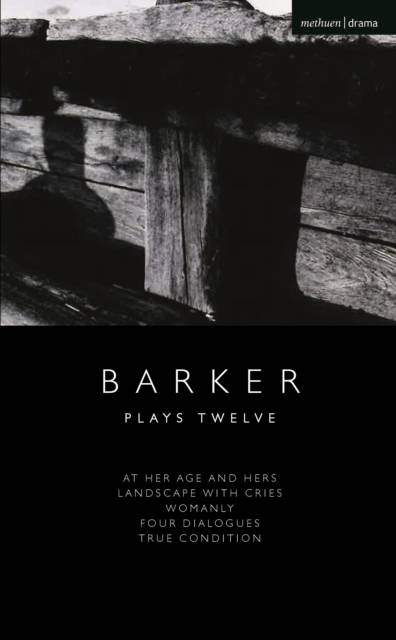
Howard Barker
Plays Twelve: At Her Age and Hers; Landscape with Cries; Womanly; Four Dialogues; True Condition
Howard Barker
€ 60,95
+ 121 punten
Omschrijving
The theatre of Howard Barker subverts myth and invents history in its pursuit of the meaning of individual integrity. Repudiating politics and asserting the primacy of the emotions, Barker's tragedy is written in a language by turns poetic and brutally mundane. The effects are disconcerting and destabilizing, as he insists tragedy must be. The twelfth and final collection of plays from this celebrated, influential and widely-studied playwright includes:
At Her Age and Hers, which uses Velázquez's painting Las Meninas to meditate on the making of a work of art, removing the figures from the frame, animating them, and assembling them again.
Landscape with Cries, which invokes the savagery of the Peasants' Revolt of fourteenth-century France to create an unlikely heroine.
Womanly, a play whichis alternatively dreamlike and nightmarish in its biography of Elbow, the aptly named protagonist who defies the conventional morals of her day.
Four Dialogueswhich are small in size of cast, but ambitious in their confrontations with the ideas of faith, language, and longing. Struggling to define their needs, the characters come near to the final purpose of Barker's dramatic endeavour - the discovery of a reason to exist.
True Condition - both the title of the play and the name of an unseaworthy vessel - which tells of the final voyage of a boat crewed by criminals.
At Her Age and Hers, which uses Velázquez's painting Las Meninas to meditate on the making of a work of art, removing the figures from the frame, animating them, and assembling them again.
Landscape with Cries, which invokes the savagery of the Peasants' Revolt of fourteenth-century France to create an unlikely heroine.
Womanly, a play whichis alternatively dreamlike and nightmarish in its biography of Elbow, the aptly named protagonist who defies the conventional morals of her day.
Four Dialogueswhich are small in size of cast, but ambitious in their confrontations with the ideas of faith, language, and longing. Struggling to define their needs, the characters come near to the final purpose of Barker's dramatic endeavour - the discovery of a reason to exist.
True Condition - both the title of the play and the name of an unseaworthy vessel - which tells of the final voyage of a boat crewed by criminals.
Specificaties
Betrokkenen
- Auteur(s):
- Uitgeverij:
Inhoud
- Aantal bladzijden:
- 440
- Taal:
- Engels
- Reeks:
Eigenschappen
- Productcode (EAN):
- 9781350355989
- Verschijningsdatum:
- 18/08/2022
- Uitvoering:
- Paperback
- Formaat:
- Trade paperback (VS)
- Afmetingen:
- 129 mm x 198 mm
- Gewicht:
- 421 g


Alleen bij Standaard Boekhandel
+ 121 punten op je klantenkaart van Standaard Boekhandel

Beoordelingen
We publiceren alleen reviews die voldoen aan de voorwaarden voor reviews. Bekijk onze voorwaarden voor reviews.