


- Afhalen na 1 uur in een winkel met voorraad
- Gratis thuislevering in België vanaf € 30
- Ruim aanbod met 7 miljoen producten
- Afhalen na 1 uur in een winkel met voorraad
- Gratis thuislevering in België vanaf € 30
- Ruim aanbod met 7 miljoen producten





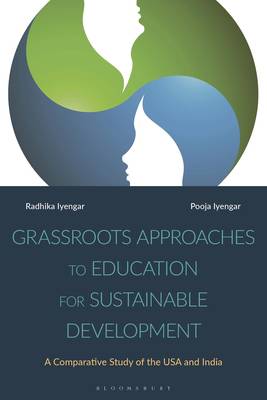
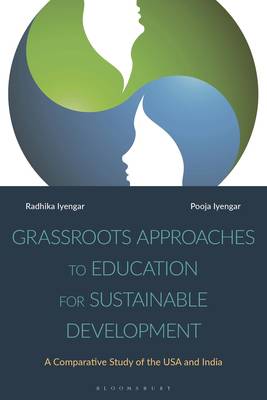
Grassroots Approaches to Education for Sustainable Development
A Comparative Study of the USA and India
Radhika Iyengar, Pooja Iyengar
Hardcover | Engels
€ 220,45
+ 440 punten
Eenvoudig bestellen
Veilig betalen


Gratis thuislevering vanaf € 30 (via bpost)
Gratis levering in je Standaard Boekhandel
Omschrijving
This book showcases and compares grassroots environmental education initiatives and actions in Millburn, New Jersey in the USA, and Bhopal, Madhya Pradesh in India. Across the two towns the collective actions discussed include the Fridays For Future strikes, activism through school's 'green team', plastic clean-up missions, conducting workshops, conferences, and organizing green fairs.
The authors discuss a range of concepts and ideas that have a broader relevance to local and global environmental education such as global citizenship, climate activism, national and municipal policies, gender, and ecofeminism. They show how the stories of the two towns are connected with sustainable development goals and education for sustainable development. Ultimately the book shows how education can be used as a tool to promote climate change solutions and how this can benefit schools, communities and the planet. The book includes a Foreword written by Ruth DeFries, University Denning Professor of Sustainable Development at Columbia University, USA.Specificaties
Betrokkenen
- Auteur(s):
- Uitgeverij:
Inhoud
- Aantal bladzijden:
- 208
- Taal:
- Engels
Eigenschappen
- Productcode (EAN):
- 9781350320062
- Verschijningsdatum:
- 30/11/2023
- Uitvoering:
- Hardcover
- Formaat:
- Genaaid
- Afmetingen:
- 156 mm x 234 mm
- Gewicht:
- 426 g


Alleen bij Standaard Boekhandel
+ 440 punten op je klantenkaart van Standaard Boekhandel
CADEAU

AANGERADEN


Beoordelingen
We publiceren alleen reviews die voldoen aan de voorwaarden voor reviews. Bekijk onze voorwaarden voor reviews.