


- Afhalen na 1 uur in een winkel met voorraad
- Gratis thuislevering in België vanaf € 30
- Ruim aanbod met 7 miljoen producten
- Afhalen na 1 uur in een winkel met voorraad
- Gratis thuislevering in België vanaf € 30
- Ruim aanbod met 7 miljoen producten





Omschrijving
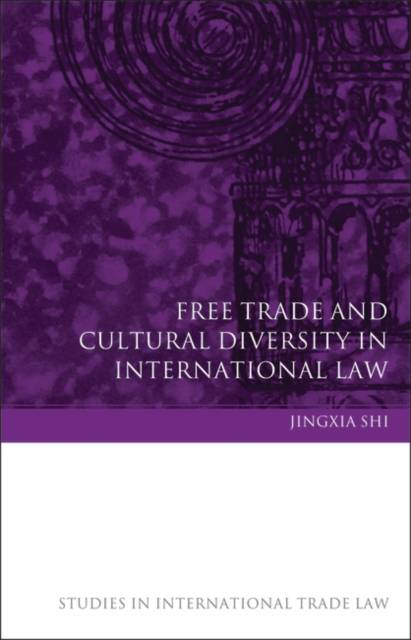
This book reconciles the concept of free trade with a key non-trade social value - cultural diversity - in an era of economic globalization. It first shows how we can look at culture in many different ways and explains why we should care about cultural diversity. The book then examines the challenges that policymakers are faced with in formulating cultural measures in the new media environment and analyzes UNESCO's theories and approaches to cultural diversity. This is followed by a comprehensive examination of the treatment of 'culture' in global and regional trade agreements, including the framework of the GATT/WTO system, the WTO's judicial practice involving cultural products, and the treatment of culture under the EC/EU and NAFTA. This identifies the challenges that trade norms encounter in dealing with cultural products. The book formulates a balanced view of the challenge of protecting and promoting cultural diversity while also recognizing the important goal of trade liberalization. To this end, it proposes a dual method through which the norms found in WTO agreements and in UNESCO cultural instruments may be brought into alignment: the first highlighting the compatibility of cultural policy measures with trade obligations on a domestic level, and the second suggesting potential linkages between the WTO rules and the UNESCO Convention from the perspectives of treaty interpretation. (Series: Studies in International Trade Law -Vol. 14)
Specificaties
Betrokkenen
- Auteur(s):
- Uitgeverij:
Inhoud
- Aantal bladzijden:
- 360
- Taal:
- Engels
- Reeks:
- Reeksnummer:
- nr. 14
Eigenschappen
- Productcode (EAN):
- 9781849464253
- Verschijningsdatum:
- 30/04/2013
- Uitvoering:
- Hardcover
- Formaat:
- Genaaid
- Afmetingen:
- 156 mm x 234 mm
- Gewicht:
- 693 g


Alleen bij Standaard Boekhandel
+ 275 punten op je klantenkaart van Standaard Boekhandel
CADEAU


Beoordelingen
We publiceren alleen reviews die voldoen aan de voorwaarden voor reviews. Bekijk onze voorwaarden voor reviews.