


- Afhalen na 1 uur in een winkel met voorraad
- Gratis thuislevering in België vanaf € 30
- Ruim aanbod met 7 miljoen producten
- Afhalen na 1 uur in een winkel met voorraad
- Gratis thuislevering in België vanaf € 30
- Ruim aanbod met 7 miljoen producten





Omschrijving
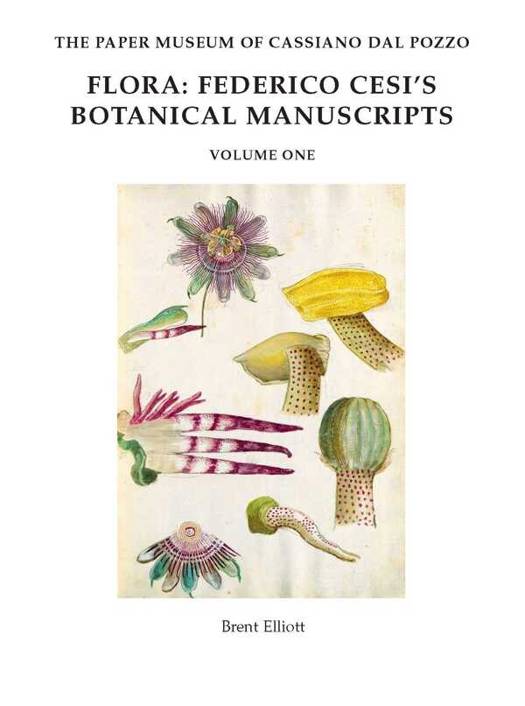
This three-volume catalogue presents five manuscripts containing some 780 mainly botanical drawings, now in the library of the Institut de France. They were produced for Federico Cesi in the 1620s to further the research of the scientific society he had founded in Rome, the Accademia dei Lincei, of which Cassiano dal Pozzo was a member. The manuscripts were acquired by Cassiano in 1633 following Cesi's death, together with three companion manuscripts dedicated to drawings of fungi (published in Part B.II of the catalogue raisonne). Many of the drawings depict plants such as ferns, bryophytes, mosses and liverworts, which had been considered 'imperfect' because (like fungi) they seemed to lack reproductive structures--flowers, fruit or seeds. In 1624, Galileo gave his fellow academicians a microscope, and with this novel 'aid to the eyes', wrote another Linceo, 'our Prince Cesi saw to it that many plants hitherto believed by botanists to be lacking in seeds were drawn on paper'. Indeed, these drawings constitute some of the earliest microscopic studies in the history of science. One manuscript is dedicated to illustrations of seaweeds and is the first known sustained study of this subject, while another is a miscellaneous volume that includes 30 prints as well as drawings of fungi and lichen, insects, a bat, a hermaphrodite rat and other curiosities. Introductory essays discuss the importance of these drawings to Cesi's researches and how the manuscripts made their way into the collections of the Institut de France, their botanical content and place in the history of botanical illustration. All drawings are reproduced as full-plate colour illustrations and accompanied by botanical identifications and commentary.
Specificaties
Betrokkenen
- Auteur(s):
- Uitgeverij:
Inhoud
- Aantal bladzijden:
- 1328
- Taal:
- Engels
- Reeks:
- Reeksnummer:
- nr. 7
Eigenschappen
- Productcode (EAN):
- 9781905375783
- Verschijningsdatum:
- 12/03/2015
- Uitvoering:
- Hardcover
- Formaat:
- Genaaid
- Afmetingen:
- 221 mm x 287 mm
- Gewicht:
- 6826 g


Alleen bij Standaard Boekhandel
+ 487 punten op je klantenkaart van Standaard Boekhandel
AANGERADEN


Beoordelingen
We publiceren alleen reviews die voldoen aan de voorwaarden voor reviews. Bekijk onze voorwaarden voor reviews.