


- Afhalen na 1 uur in een winkel met voorraad
- Gratis thuislevering in België vanaf € 30
- Ruim aanbod met 7 miljoen producten
- Afhalen na 1 uur in een winkel met voorraad
- Gratis thuislevering in België vanaf € 30
- Ruim aanbod met 7 miljoen producten





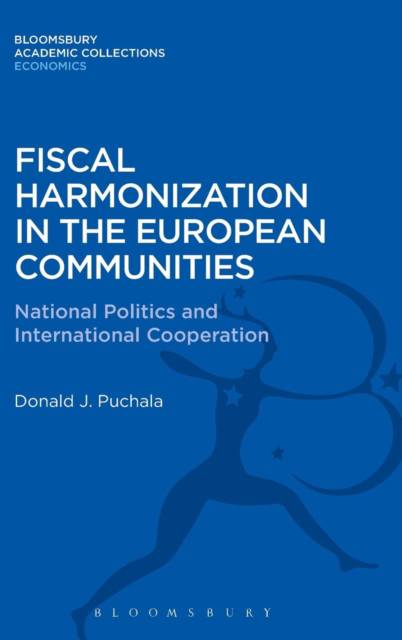
Fiscal Harmonization in the European Communities
National Politics and International Cooperation
Donald J Puchala
€ 322,45
+ 644 punten
Omschrijving
The specific concern of this study is 'politicization' or the relationships between contests in national politics and the capacity for international cooperation.
Progress towards fiscal harmonization in the European Community is selected as the substantive focus for the study, although the object is to learn from the EC rather than about it.
The author argues that common EC policies usually reach fruition as complex compromises, derived from decisions based on the perceived effect on domestic politics and rivalries, rather than transnational neatness. Lack of political will is frequently blamed for delays in the acceptance of common policies, whereas the truth often lies in the fact that national governments believe that domestic political costs would be prohibitive.
Politicization is studied in four major areas:
1. Identification, causes and effects
2. The effect on domestic politics and transnational cooperation in the EC
3. Effects on further 'European integration'
4. Deriving lessons from the EC for more general relationships between domestic politics and international cooperation.
Progress towards fiscal harmonization in the European Community is selected as the substantive focus for the study, although the object is to learn from the EC rather than about it.
The author argues that common EC policies usually reach fruition as complex compromises, derived from decisions based on the perceived effect on domestic politics and rivalries, rather than transnational neatness. Lack of political will is frequently blamed for delays in the acceptance of common policies, whereas the truth often lies in the fact that national governments believe that domestic political costs would be prohibitive.
Politicization is studied in four major areas:
1. Identification, causes and effects
2. The effect on domestic politics and transnational cooperation in the EC
3. Effects on further 'European integration'
4. Deriving lessons from the EC for more general relationships between domestic politics and international cooperation.
Specificaties
Betrokkenen
- Auteur(s):
- Uitgeverij:
Inhoud
- Aantal bladzijden:
- 160
- Taal:
- Engels
- Reeks:
Eigenschappen
- Productcode (EAN):
- 9781472514189
- Verschijningsdatum:
- 9/01/2014
- Uitvoering:
- Hardcover
- Formaat:
- Genaaid
- Afmetingen:
- 156 mm x 234 mm
- Gewicht:
- 421 g


Alleen bij Standaard Boekhandel
+ 644 punten op je klantenkaart van Standaard Boekhandel
Cadeau

AANGERADEN


Beoordelingen
We publiceren alleen reviews die voldoen aan de voorwaarden voor reviews. Bekijk onze voorwaarden voor reviews.