



- Afhalen na 1 uur in een winkel met voorraad
- In januari gratis thuislevering in België
- Ruim aanbod met 7 miljoen producten
- Afhalen na 1 uur in een winkel met voorraad
- In januari gratis thuislevering in België
- Ruim aanbod met 7 miljoen producten




€ 75,95
+ 151 punten
Omschrijving
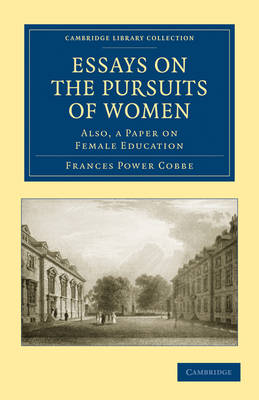
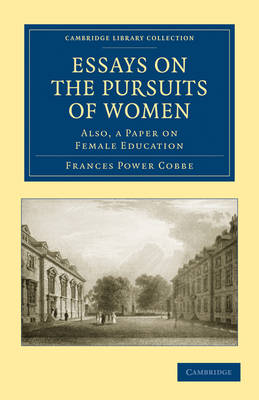
Frances Power Cobbe (1822-1904) was an Irish writer, social reformer and activist best known for her contributions to Victorian feminism and women's suffrage. After the death of her father in 1857, Cobbe travelled extensively across Europe before becoming a leader-writer addressing public issues for the London newspaper The Echo in 1868. She continued to publish on the topics of feminism, social problems and theology for the rest of her life. This volume, first published in 1863, contains a series of essays discussing topics of importance to early feminists. Cobbe explores sexual and matrimonial inequality and the changing status of and opportunities for single women, and advocates greater and more extensive female education. Cobbe also discusses possible reasons behind the inequality and limitations experienced by singe and married women, providing insights into the lives experienced by Victorian women and exemplifying the ideas and concerns of contemporary feminists.
Specificaties
Betrokkenen
- Auteur(s):
- Uitgeverij:
Inhoud
- Aantal bladzijden:
- 252
- Taal:
- Engels
- Reeks:
Eigenschappen
- Productcode (EAN):
- 9781108020480
- Verschijningsdatum:
- 16/09/2010
- Uitvoering:
- Paperback
- Formaat:
- Trade paperback (VS)
- Afmetingen:
- 140 mm x 216 mm
- Gewicht:
- 322 g


Alleen bij Standaard Boekhandel
+ 151 punten op je klantenkaart van Standaard Boekhandel
Cadeau

AANGERADEN


Beoordelingen
We publiceren alleen reviews die voldoen aan de voorwaarden voor reviews. Bekijk onze voorwaarden voor reviews.