


- Afhalen na 1 uur in een winkel met voorraad
- Gratis thuislevering in België vanaf € 30
- Ruim aanbod met 7 miljoen producten
- Afhalen na 1 uur in een winkel met voorraad
- Gratis thuislevering in België vanaf € 30
- Ruim aanbod met 7 miljoen producten





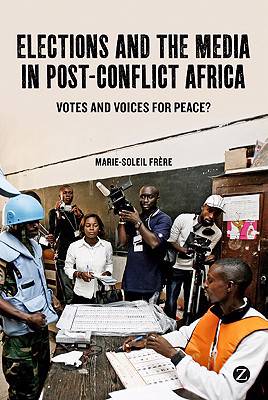
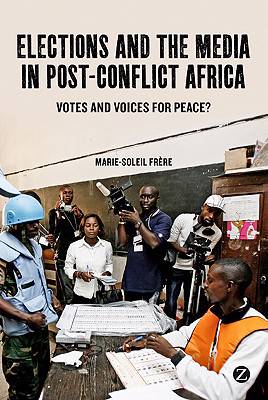
Elections and the Media in Post-Conflict Africa
Votes and Voices for Peace?
Marie-Soleil Frere
Paperback | Engels
€ 56,93
+ 113 punten
Uitvoering
Omschrijving
Over the past ten years, the Democratic Republic of Congo, Burundi, Chad, Central African Republic, Republic of Congo and Rwanda all organized pluralist elections in a post conflict context, having experienced an armed conflict which either interrupted or prevented democratization processes. These polls were organized with the support of the international community, which viewed them as a crucial step in the peace-building process. The local media's role throughout was supposed to be to ensure that an electoral process is actually 'free and fair' - a role that becomes even more crucial in countries where the media have previously being perceived as warmongers or peace-builders in the conflicts.
Giving a voice to African journalists and analysing the work they have been publishing or broadcasting during these elections, African media specialist Marie-Soleil Frere explores if and how the local media fulfilled their duties. In doing so, the book reveals journalists' professional challenges at a time when much is expected from the media, as well as the intense political pressure faced that can make their work particularly difficult.
Insightful and comprehensive, Elections and the Media in Post-Conflict Africa underlines both the importance and the fragility of the role of the media in a democratic system.
Giving a voice to African journalists and analysing the work they have been publishing or broadcasting during these elections, African media specialist Marie-Soleil Frere explores if and how the local media fulfilled their duties. In doing so, the book reveals journalists' professional challenges at a time when much is expected from the media, as well as the intense political pressure faced that can make their work particularly difficult.
Insightful and comprehensive, Elections and the Media in Post-Conflict Africa underlines both the importance and the fragility of the role of the media in a democratic system.
Specificaties
Betrokkenen
- Auteur(s):
- Uitgeverij:
Inhoud
- Aantal bladzijden:
- 304
- Taal:
- Engels
Eigenschappen
- Productcode (EAN):
- 9781780320182
- Verschijningsdatum:
- 8/09/2011
- Uitvoering:
- Paperback
- Formaat:
- Trade paperback (VS)
- Afmetingen:
- 155 mm x 231 mm
- Gewicht:
- 453 g


Alleen bij Standaard Boekhandel
+ 113 punten op je klantenkaart van Standaard Boekhandel
Cadeau

AANGERADEN


Beoordelingen
We publiceren alleen reviews die voldoen aan de voorwaarden voor reviews. Bekijk onze voorwaarden voor reviews.