


- Afhalen na 1 uur in een winkel met voorraad
- Gratis thuislevering in België vanaf € 30
- Ruim aanbod met 7 miljoen producten
- Afhalen na 1 uur in een winkel met voorraad
- Gratis thuislevering in België vanaf € 30
- Ruim aanbod met 7 miljoen producten





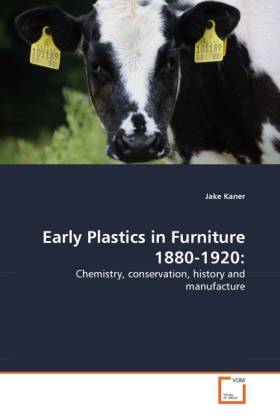
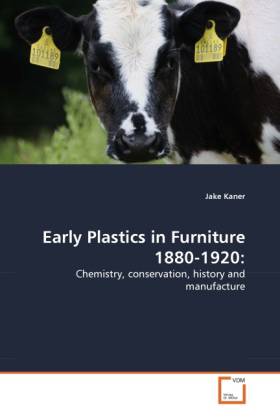
Early Plastics in Furniture 1880-1920
Chemistry, conservation, history and manufacture
Jake Kaner
Paperback | Engels
€ 77,95
+ 155 punten
Omschrijving
This book focuses on the two early plastics casein and celluloid encountered in late nineteenth and early twentieth century furniture. The comparison between casein formaldehyde and cellulose nitrate, examines the manufacturing processes of each polymeric material observing physical and chemical properties. The relationship of casein plastic to furniture as decoration is explored through the extant furniture of CR Mackintosh. This establishes Mackintosh as the first designer to use casein as a decorative plastic inlay, not using it as an imitation of semi-precious materials, but as a plastic. Historic material has been evaluated through contemporaneous trade literature, amongst others, illustrating the extent of the employment of cellulose nitrate by furniture makers and fretwork cutters of this period. Identification techniques for these early polymeric materials are reviewed resulting in a standardised approach to analytical, chemical and macroscopic procedures for their examination. Guidance for the conservation of casein formaldehyde is provided through the findings of experimentation conducted for this research.
Specificaties
Betrokkenen
- Auteur(s):
- Uitgeverij:
Inhoud
- Aantal bladzijden:
- 384
- Taal:
- Engels
Eigenschappen
- Productcode (EAN):
- 9783639304992
- Verschijningsdatum:
- 10/11/2010
- Uitvoering:
- Paperback
- Formaat:
- Trade paperback (VS)
- Afmetingen:
- 152 mm x 229 mm
- Gewicht:
- 562 g


Alleen bij Standaard Boekhandel
+ 155 punten op je klantenkaart van Standaard Boekhandel
AANGERADEN


Beoordelingen
We publiceren alleen reviews die voldoen aan de voorwaarden voor reviews. Bekijk onze voorwaarden voor reviews.