


- Afhalen na 1 uur in een winkel met voorraad
- Gratis thuislevering in België vanaf € 30
- Ruim aanbod met 7 miljoen producten
- Afhalen na 1 uur in een winkel met voorraad
- Gratis thuislevering in België vanaf € 30
- Ruim aanbod met 7 miljoen producten




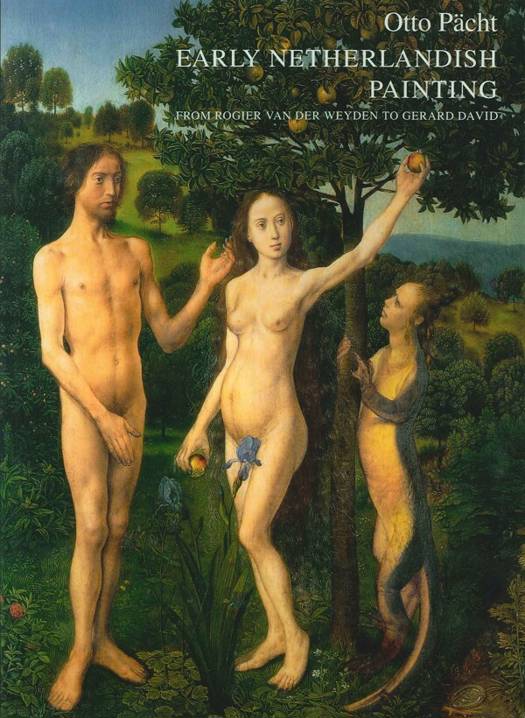
Early Netherlandish Painting from Rogier Van Der Weyden to Gerard David
Otto Pacht
€ 79,50
Uitvoering
Omschrijving
Otto Pacht's studies of the Early Netherlandish painters are the fruit of a lifetime's research. Following his book on the brothers Van Eyck and their circle, this volume deals with the next generation of artists, the great figures of the 15th and early 16th century: Rogier van der Weyden, Petrus Christus, Aelbert van Ouwater, Dieric Bouts, Justus van Gent, Hugo van der Goes, Geertgen tot Sint Jans, Hans Memling and Gerard David. In the tradition of the Vienna School, Pacht's approach puts emphasis on formal analysis and on direct contact with the works of art themselves. Taking certain key works by each artist as examples, he discusses every facet of the work including style, mood, iconography, symbolism and construction of space. The chapters are linked by the theme of imitation and continuation: the author compares the same subject as treated by various artists and shows how artists adopted developed ideas and motifs first employed by their predecessors. Although his touchstone was the evidence of his eyes, Pacht was always responsive to the theories of other scholars, and this volume is a gateway to an influential period in the history of art. The proximity of the illustrations to the text enhances his account of the great figures of the period, and there is a folding plate, in colour, of Rogier van de Weyden's Last Judgement alterpiece for the chapel of the hospital, the Hotel-Dieu, in Beaume.
Specificaties
Betrokkenen
- Auteur(s):
- Uitgeverij:
Inhoud
- Aantal bladzijden:
- 264
- Taal:
- Engels
- Reeks:
- Reeksnummer:
- nr. 66
Eigenschappen
- Productcode (EAN):
- 9781872501840
- Verschijningsdatum:
- 1/01/1997
- Uitvoering:
- Hardcover
- Formaat:
- Genaaid
- Afmetingen:
- 207 mm x 288 mm
- Gewicht:
- 1374 g


Alleen bij Standaard Boekhandel
Cadeau

AANGERADEN


Beoordelingen
We publiceren alleen reviews die voldoen aan de voorwaarden voor reviews. Bekijk onze voorwaarden voor reviews.