


- Afhalen na 1 uur in een winkel met voorraad
- Gratis thuislevering in België vanaf € 30
- Ruim aanbod met 7 miljoen producten
- Afhalen na 1 uur in een winkel met voorraad
- Gratis thuislevering in België vanaf € 30
- Ruim aanbod met 7 miljoen producten





€ 74,20
+ 148 punten
Omschrijving
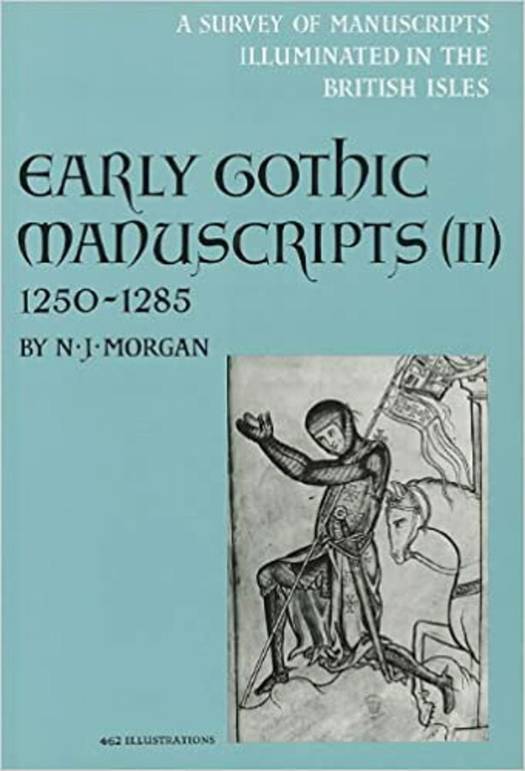
In England the art of illumination flourished widely in the second half of the 13th century - a time in which the connections with the continent, particularly France, where strong. Artists moved away from the monastic scriptorium to professional workshops in urban centres, and the rise of the Universities resulted in the production of new types of illustrated text. As with cross-fertilization of ideas from Paris to London, Oxford, and Cambridge, so with the styles and techniques of illumination. The magnificent examples catalogued here include the Lambeth, Metz, Douce and Trinity Apocalypses; their relationships are examined and detailed iconography is described. Many of the Bibles and - notably - the Amesbury, Oscott and Rutland Psalters are some of the greatest works of the period, and among surviving religious manuscripts the earliest examples of Books of Hours reveal the increasing range of devotional interests of lay people. Astrological, legal, medical, topographical and historical works are also included, and the volume ends with the remarkable Hereford Mad which summarizes many of the ideas of Earth and Heaven prevailing at the time. The Introduction sets the manuscripts in a historical framework, describes the influences at work, defines the types of books and their decoration, and discusses evidence for dating and localization. This is a survey of early Gothic manuscripts illuminated in the British Isles, setting them in a historical framework, describing the influences at work, defining the types of books and their decoration, and discussing evidence for dating and localization.
Specificaties
Betrokkenen
- Auteur(s):
- Uitgeverij:
Inhoud
- Aantal bladzijden:
- 374
- Taal:
- Engels
- Reeks:
Eigenschappen
- Productcode (EAN):
- 9780905203539
- Verschijningsdatum:
- 1/01/1988
- Uitvoering:
- Hardcover
- Formaat:
- Genaaid
- Afmetingen:
- 231 mm x 330 mm
- Gewicht:
- 2218 g


Alleen bij Standaard Boekhandel
+ 148 punten op je klantenkaart van Standaard Boekhandel
Cadeau

AANGERADEN


Beoordelingen
We publiceren alleen reviews die voldoen aan de voorwaarden voor reviews. Bekijk onze voorwaarden voor reviews.