


- Afhalen na 1 uur in een winkel met voorraad
- Gratis thuislevering in België vanaf € 30
- Ruim aanbod met 7 miljoen producten
- Afhalen na 1 uur in een winkel met voorraad
- Gratis thuislevering in België vanaf € 30
- Ruim aanbod met 7 miljoen producten





€ 79,50
+ 159 punten
Omschrijving
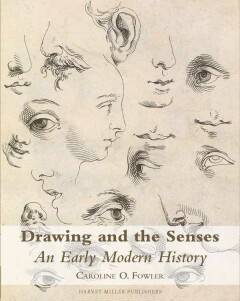
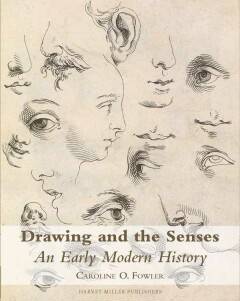
Jusepe Ribera (1591-1652), Guercino (1591-1666), Stefano della Bella (1610-1664), Abraham Bloemaert (1566-1651), and Peter Paul Rubens (1577-1640) all created printed drawing lessons dedicated to the practice and theory of drawing. These artists composed wordless compositions on a page of eyes, ears, hands, mouths and noses, configurations that were ostensibly meant to teach the practice of drawing. Yet as this book argues, these were not only pedagogical treatises on practice but also theoretical works on draftsmanship made by the most influential European draftsmen. This book is the first theoretical consideration of these major works. Reading these treatises in the context of an early modern intellectual history of the senses, this book examines how artists visually theorized the process of producing knowledge through making lines on a page. Beginning with the pedagogical treatises of Albrecht Durer and progressing through the pedagogical writings, drawings, and printed drawing books of early-modern draftsmen, this book traces a history of the senses and drawing, demonstrating how shifting concepts of the body, divinity and god changed the processes by which artists conceived of drawing the world, themselves and others.
Specificaties
Betrokkenen
- Auteur(s):
- Uitgeverij:
Inhoud
- Aantal bladzijden:
- 178
- Taal:
- Engels
- Reeks:
- Reeksnummer:
- nr. 6
Eigenschappen
- Productcode (EAN):
- 9781909400399
- Verschijningsdatum:
- 21/03/2017
- Uitvoering:
- Hardcover
- Formaat:
- Genaaid
- Afmetingen:
- 229 mm x 284 mm
- Gewicht:
- 1179 g


Alleen bij Standaard Boekhandel
+ 159 punten op je klantenkaart van Standaard Boekhandel
Cadeau

AANGERADEN


Beoordelingen
We publiceren alleen reviews die voldoen aan de voorwaarden voor reviews. Bekijk onze voorwaarden voor reviews.