


- Afhalen na 1 uur in een winkel met voorraad
- Gratis thuislevering in België vanaf € 30
- Ruim aanbod met 7 miljoen producten
- Afhalen na 1 uur in een winkel met voorraad
- Gratis thuislevering in België vanaf € 30
- Ruim aanbod met 7 miljoen producten





€ 322,45
+ 644 punten
Uitvoering
Omschrijving
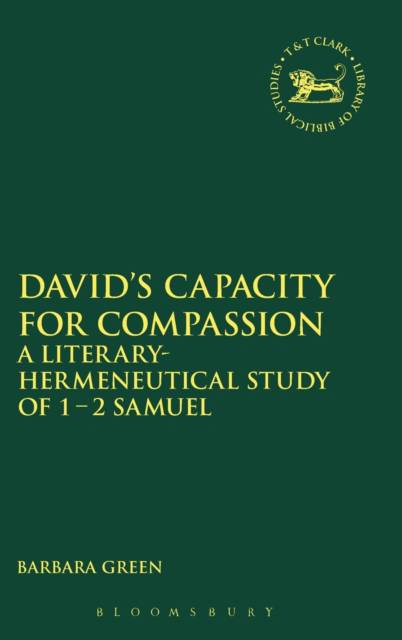
In this book Barbara Green demonstrates how David is shown and can be read as emerging from a young naive, whose early successes grow into a tendency for actions of contempt and arrogance, of blindness and even cruelty, particularly in matters of cult. However, Green also shows that over time David moves closer to the demeanor and actions of wise compassion, more closely aligned with God.
Leaving aside questions of historicity as basically undecidable Green's focus in her approach to the material is on contemporary literature. Green reads the David story in order, applying seven specific tools which she names, describes and exemplifies as she interprets the text. She also uses relevant hermeneutical theory, specifically a bridge between general hermeneutics and the specific challenges of the individual (and socially located) reader. As a result, Green argues that characters in the David narrative can proffer occasions for insight, wisdom, and compassion. Acknowledging the unlikelihood that characters like David and his peers, steeped in patriarchy and power, can be shown to learn and extend wise compassion, Green is careful to make explicit her reading strategies and offer space for dialogue and disagreement.Specificaties
Betrokkenen
- Auteur(s):
- Uitgeverij:
Inhoud
- Aantal bladzijden:
- 336
- Taal:
- Engels
- Reeks:
- Reeksnummer:
- nr. 641
Eigenschappen
- Productcode (EAN):
- 9780567673589
- Verschijningsdatum:
- 20/04/2017
- Uitvoering:
- Hardcover
- Formaat:
- Genaaid
- Afmetingen:
- 157 mm x 236 mm
- Gewicht:
- 657 g



Alleen bij Standaard Boekhandel
+ 644 punten op je klantenkaart van Standaard Boekhandel
Cadeau

AANGERADEN


Beoordelingen
We publiceren alleen reviews die voldoen aan de voorwaarden voor reviews. Bekijk onze voorwaarden voor reviews.