



Je cadeautjes zeker op tijd in huis hebben voor de feestdagen? Kom langs in onze winkels en vind het perfecte geschenk!
- Afhalen na 1 uur in een winkel met voorraad
- Gratis thuislevering in België vanaf € 30
- Ruim aanbod met 7 miljoen producten
Je cadeautjes zeker op tijd in huis hebben voor de feestdagen? Kom langs in onze winkels en vind het perfecte geschenk!
- Afhalen na 1 uur in een winkel met voorraad
- Gratis thuislevering in België vanaf € 30
- Ruim aanbod met 7 miljoen producten





€ 88,45
+ 176 punten
Uitvoering
Omschrijving
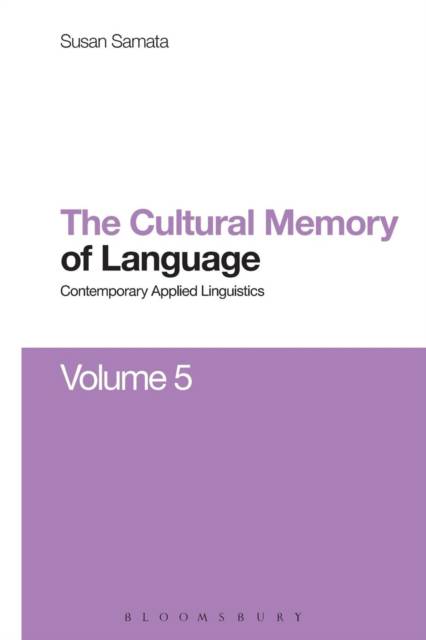
"I can't even speak my own language," were the words overheard in a college staffroom that triggered the writing of this book. Calling something 'my own' implies a personal, proprietorial relationship with it. But how can it be your own if you cannot speak it?
The Cultural Memory of Language looks at unintended monolingualism - a lack of language fluency in a migratory cultural situation where two or more languages exist at 'home'. It explores family history and childhood language acquisition and attrition. What is the present everday experience of language use and life between two cultures? Examining interview data, Samata uncovers a sense of inauthenticity felt by people who do not fully share a parent's first language. Alongside this features a sense of concurrent anger, and a need to assign blame. Participation in the language, even to the extent of phatic or formulaic phraseology, occasions feelings of authentic linguistic and cultural inclusion. The book thus uncovers appreciable (and measurable) benefits in positive self-image and a sense of well-being. Looking at how people view language is essential - how they view the language they call their own is even more important and this book does just that in a qualified applied linguistic environment.
The Cultural Memory of Language looks at unintended monolingualism - a lack of language fluency in a migratory cultural situation where two or more languages exist at 'home'. It explores family history and childhood language acquisition and attrition. What is the present everday experience of language use and life between two cultures? Examining interview data, Samata uncovers a sense of inauthenticity felt by people who do not fully share a parent's first language. Alongside this features a sense of concurrent anger, and a need to assign blame. Participation in the language, even to the extent of phatic or formulaic phraseology, occasions feelings of authentic linguistic and cultural inclusion. The book thus uncovers appreciable (and measurable) benefits in positive self-image and a sense of well-being. Looking at how people view language is essential - how they view the language they call their own is even more important and this book does just that in a qualified applied linguistic environment.
Specificaties
Betrokkenen
- Auteur(s):
- Uitgeverij:
Inhoud
- Aantal bladzijden:
- 208
- Taal:
- Engels
- Reeks:
- Reeksnummer:
- nr. 5
Eigenschappen
- Productcode (EAN):
- 9781474288064
- Verschijningsdatum:
- 19/05/2016
- Uitvoering:
- Paperback
- Formaat:
- Trade paperback (VS)
- Afmetingen:
- 156 mm x 234 mm
- Gewicht:
- 299 g


Alleen bij Standaard Boekhandel
+ 176 punten op je klantenkaart van Standaard Boekhandel
CADEAU


Beoordelingen
We publiceren alleen reviews die voldoen aan de voorwaarden voor reviews. Bekijk onze voorwaarden voor reviews.