


- Afhalen na 1 uur in een winkel met voorraad
- Gratis thuislevering in België vanaf € 30
- Ruim aanbod met 7 miljoen producten
- Afhalen na 1 uur in een winkel met voorraad
- Gratis thuislevering in België vanaf € 30
- Ruim aanbod met 7 miljoen producten





€ 322,45
+ 644 punten
Uitvoering
Omschrijving
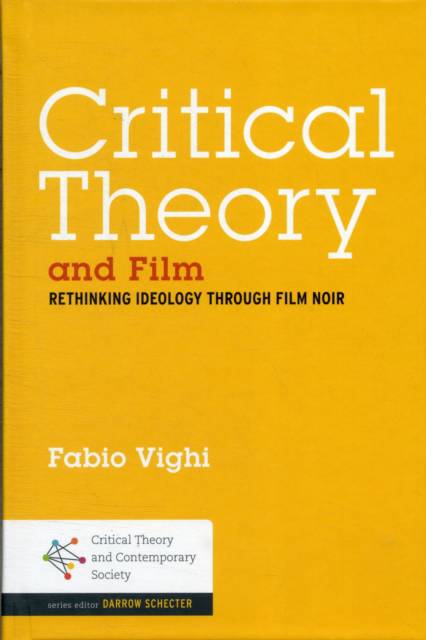
Critical Theory and Film brings together critical theory and film to enhance the critical potential of both.
The book focuses on the Frankfurt School, most notably the works of Adorno and Horkheimer, as well as associated thinkers.It seeks to demonstrate that cinema can help critical theory repoliticize culture and society and affirm the theoretical and political impact of cinematic knowledge. After discussing how the Frankfurt School saw cinema as an instrument of capitalism use to promote the cultural and political regimentation of the masses, Vighi then proceeds to demonstrate that critical theory can in fact suggest a different verdict on the progressive potential of cinema.
Each chapter focuses on a key critical theory concept that is explained and redefined through film analysis to unravel the hidden presuppositions and most radical consequences of critical theory.
A unique contribution to the literature, this volume in the Critical Theory and Contemporary Society series offer an innovative reading of film as a critical tool, drawing on the latest developments in Lacanian theory.
The book focuses on the Frankfurt School, most notably the works of Adorno and Horkheimer, as well as associated thinkers.It seeks to demonstrate that cinema can help critical theory repoliticize culture and society and affirm the theoretical and political impact of cinematic knowledge. After discussing how the Frankfurt School saw cinema as an instrument of capitalism use to promote the cultural and political regimentation of the masses, Vighi then proceeds to demonstrate that critical theory can in fact suggest a different verdict on the progressive potential of cinema.
Each chapter focuses on a key critical theory concept that is explained and redefined through film analysis to unravel the hidden presuppositions and most radical consequences of critical theory.
A unique contribution to the literature, this volume in the Critical Theory and Contemporary Society series offer an innovative reading of film as a critical tool, drawing on the latest developments in Lacanian theory.
Specificaties
Betrokkenen
- Auteur(s):
- Uitgeverij:
Inhoud
- Aantal bladzijden:
- 184
- Taal:
- Engels
- Reeks:
Eigenschappen
- Productcode (EAN):
- 9781441111425
- Verschijningsdatum:
- 3/05/2012
- Uitvoering:
- Hardcover
- Formaat:
- Genaaid
- Afmetingen:
- 155 mm x 231 mm
- Gewicht:
- 385 g


Alleen bij Standaard Boekhandel
+ 644 punten op je klantenkaart van Standaard Boekhandel
Cadeau

AANGERADEN


Beoordelingen
We publiceren alleen reviews die voldoen aan de voorwaarden voor reviews. Bekijk onze voorwaarden voor reviews.