



Je cadeautjes zeker op tijd in huis hebben voor de feestdagen? Kom langs in onze winkels en vind het perfecte geschenk!
- Afhalen na 1 uur in een winkel met voorraad
- Gratis thuislevering in België vanaf € 30
- Ruim aanbod met 7 miljoen producten
Je cadeautjes zeker op tijd in huis hebben voor de feestdagen? Kom langs in onze winkels en vind het perfecte geschenk!
- Afhalen na 1 uur in een winkel met voorraad
- Gratis thuislevering in België vanaf € 30
- Ruim aanbod met 7 miljoen producten





€ 220,45
+ 440 punten
Omschrijving
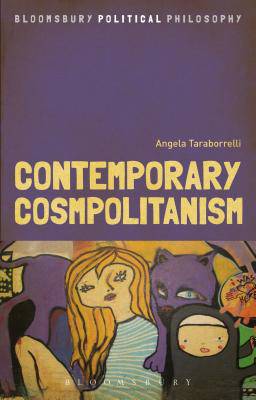
Contemporary Cosmopolitanism is the first, much-needed, introduction to contemporary political cosmopolitanism. Although it has its roots in classical philosophy and politics, Cosmopolitanism has undergone a major revival in the last forty years, stirring far-reaching and intense international debates.
Cosmopolitanism is a way of thought and life which entails an identification of the individual with the whole humankind, and implies a moral obligation to promote social and political justice at the global level. Contemporary cosmopolitanism reflects a global state that is already in itself highly cosmopolitan, and represents an attempt to solve the new problems raised by this situation, to reappraise a number of traditional conceptual categories in the light of changes having already occurred or that are still taking place, to develop new ones, as well as to encourage and guide political-institutional reform projects.
Taraborrelli provides clear descriptions of the three main forms of contemporary cosmopolitanism - moral, political-legal and cultural - described through the thought of various figures representative of the more significant approaches: Appiah, Archibugi, Beitz, Benhabib, Bhabha, Held, Kaldor, Nussbaum, Pogge, Sousa Santos. This book provides a sound and comprehensive basis for the study of cosmopolitanism, ideal as a starting point for the discussion of issues of widespread interest such as human rights, global justice, migration, multiculturalism.
Cosmopolitanism is a way of thought and life which entails an identification of the individual with the whole humankind, and implies a moral obligation to promote social and political justice at the global level. Contemporary cosmopolitanism reflects a global state that is already in itself highly cosmopolitan, and represents an attempt to solve the new problems raised by this situation, to reappraise a number of traditional conceptual categories in the light of changes having already occurred or that are still taking place, to develop new ones, as well as to encourage and guide political-institutional reform projects.
Taraborrelli provides clear descriptions of the three main forms of contemporary cosmopolitanism - moral, political-legal and cultural - described through the thought of various figures representative of the more significant approaches: Appiah, Archibugi, Beitz, Benhabib, Bhabha, Held, Kaldor, Nussbaum, Pogge, Sousa Santos. This book provides a sound and comprehensive basis for the study of cosmopolitanism, ideal as a starting point for the discussion of issues of widespread interest such as human rights, global justice, migration, multiculturalism.
Specificaties
Betrokkenen
- Auteur(s):
- Uitgeverij:
Inhoud
- Aantal bladzijden:
- 160
- Taal:
- Engels
- Reeks:
Eigenschappen
- Productcode (EAN):
- 9781472535566
- Verschijningsdatum:
- 23/04/2015
- Uitvoering:
- Hardcover
- Formaat:
- Genaaid
- Afmetingen:
- 155 mm x 234 mm
- Gewicht:
- 362 g


Alleen bij Standaard Boekhandel
+ 440 punten op je klantenkaart van Standaard Boekhandel
CADEAU


Beoordelingen
We publiceren alleen reviews die voldoen aan de voorwaarden voor reviews. Bekijk onze voorwaarden voor reviews.